

Self Propelled Concrete Truck
 2026-08-31
A self propelled concrete truck combines aggregate loading, batching, mixing, and jobsite transport in one mobile machine. Often called a self-loading mixer, it is designed for projects where ready-mix supply is limited, access roads are narrow, or concrete is needed in smaller batches throughout the day. Instead of relying on a separate loader, batching plant, transit mixer, and pump truck for every pour, the operator can produce concrete close to the work area.
The right machine is not simply the largest drum available. Drum capacity, terrain, travel distance, material supply, required concrete output, and service support should all be evaluated before selecting a model. Machine specifications and rated capacities should always be confirmed against the manufacturer's current documentation.
Cutting-Edge Design Details and Material Advantages
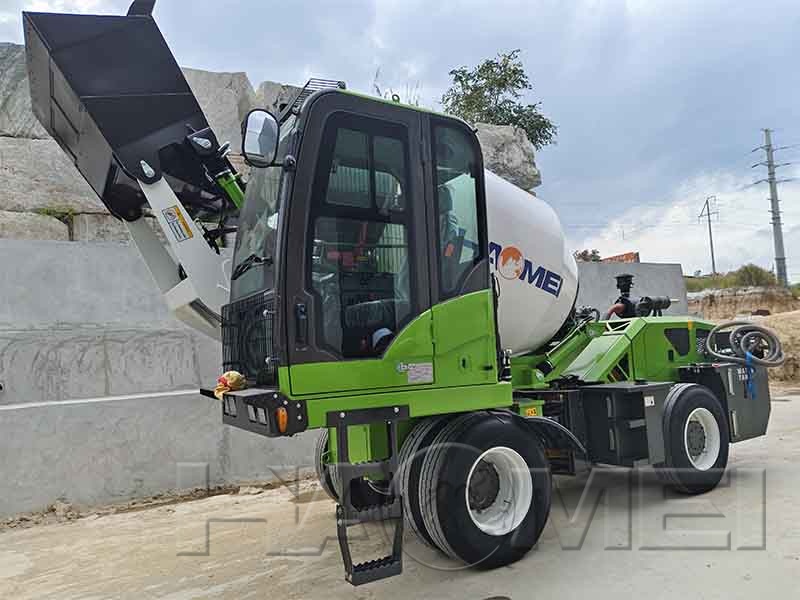
A modern mobile concrete mixer is built around four major systems: a loading bucket, mixing drum, hydraulic drive system, and articulated or rigid chassis. The front bucket collects sand, stone, and cement, then transfers the materials into the drum. A water system adds controlled quantities of water, while the rotating drum mixes the batch during production and transport.
The loading bucket is typically fitted with wear-resistant cutting edges because it works directly against abrasive aggregate and soil. High-strength steel in the bucket structure helps it withstand repeated loading cycles. Replaceable wear edges are particularly valuable because they allow a worn contact surface to be serviced without replacing the complete bucket.
The drum is one of the most important components. It must resist abrasion from sand, gravel, and cement slurry while maintaining reliable mixing action. Manufacturers commonly use abrasion-resistant steel or suitably reinforced steel plate in high-wear drum areas. Internal mixing blades are designed to lift and fold materials as the drum rotates. Worn blades can reduce mixing efficiency, increase discharge time, and leave hardened residue inside the drum.
| Component | Design Purpose | Material or Construction Benefit |
|---|---|---|
| Loading bucket | Collects and lifts raw materials | Reinforced steel structure withstands repeated aggregate handling |
| Mixing drum | Blends and carries concrete | Wear-resistant steel helps resist abrasion from aggregate |
| Hydraulic system | Powers drum, bucket, and steering functions | Proper filtration and protected hose routing improve service life |
| Chassis and axles | Carries the loaded machine over the site | Heavy-duty construction improves stability on uneven ground |
| Water system | Adds water for batching and washout | Tank, pump, and metering layout support controlled water delivery |
Hydraulic components are equally important. The pump, motors, valves, hoses, and filters must work as one system to drive the bucket and drum smoothly. Protected hose routing reduces exposure to impact and abrasion. Easily accessible filters, grease points, fluid-level checks, and inspection covers can reduce routine maintenance time.
For contractors needing flexible batch output, a Self Loading Mixer can reduce material handling steps on distributed jobsites. For medium-scale work where output must match crew placement speed, the HM3.5 Self Mixer is one capacity option to compare against actual batch demand and local transport conditions.
Jobsite Advantages and Selection Considerations
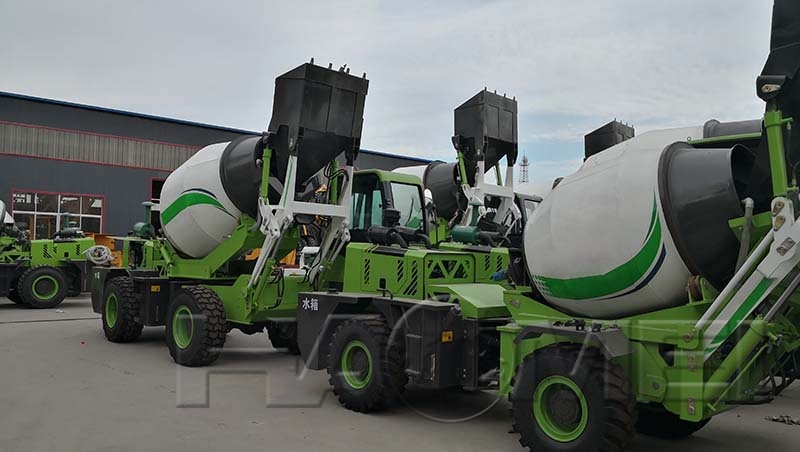
The main advantage of this equipment is production independence. Aggregate, cement, and water can be stored near the project, allowing crews to make batches when they are needed. This can be useful for rural construction, foundation work, road repairs, drainage channels, utility projects, and sites with changing daily concrete requirements.
Its compact working arrangement can also improve site logistics. A single operator may load materials, mix concrete, travel to the pour location, and discharge the batch. This can reduce dependency on several separate machines, provided that the machine capacity and cycle time match the project schedule.
When comparing units, focus on practical operating conditions rather than drum volume alone. A drum's nominal capacity is not always the same as its recommended mixing output. The usable batch size depends on concrete mix design, aggregate grading, moisture content, slump requirement, and the manufacturer's stated operating limits.
| Selection Factor | What to Check |
|---|---|
| Required output | Calculate daily volume and the number of batches needed per shift |
| Site terrain | Check gradeability, tire type, ground bearing capacity, and turning space |
| Aggregate size | Confirm the bucket and drum are suitable for the planned aggregate grading |
| Water control | Verify water tank capacity, pump condition, and batching measurement method |
| Service access | Check availability of filters, hoses, seals, tires, and trained technicians |
| Operator safety | Confirm visibility, lighting, brakes, alarms, guarding, and local compliance requirements |
A pre-operation check should include engine oil, coolant, hydraulic oil, tire condition, brakes, steering response, drum rotation, water supply, and bucket movement. Operators should never exceed rated load limits or travel with an unsafe boom, bucket, or drum position. Concrete must also be discharged before it begins to set inside the drum.
Troubleshooting Common Equipment Problems
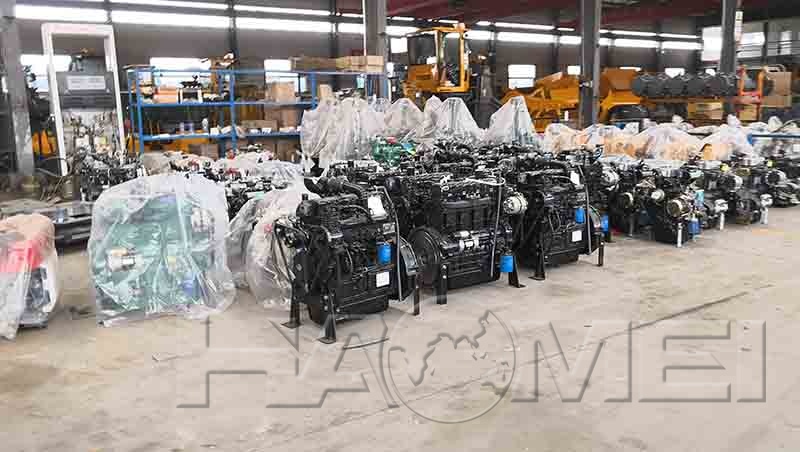
Slow bucket lifting or weak drum rotation often points to a hydraulic issue. Start by checking hydraulic oil level, fluid condition, filter restriction indicators, visible hose leaks, and coupling damage. Air entering the hydraulic circuit, a clogged filter, a worn pump, or an incorrectly set relief valve may also cause poor performance. Pressure testing should be completed by qualified service personnel using the manufacturer's specified values.
If the drum turns unevenly or makes abnormal noise, inspect the drive motor, gearbox mounting, drum support points, and hydraulic connections. Do not continue operating a machine with severe vibration, grinding, or metal-on-metal noise. Early inspection can prevent damage to the drum drive or support structure.
Poor concrete quality is frequently related to batching control rather than a mechanical failure. Check aggregate moisture, water quantity, cement dosage, mixing time, and drum cleanliness. Wet sand can add significant water to a batch, changing slump and strength. Follow the approved mix design and local concrete testing requirements instead of adjusting water by appearance alone.
When the engine overheats, inspect coolant level, radiator cleanliness, fan belt condition where applicable, hose leaks, and the cooling fan. Dust, cement powder, and plant debris can block radiator airflow. Clean cooling surfaces carefully using the equipment manufacturer's recommended procedure.
For electrical faults such as inoperative lights, gauges, or starting problems, inspect battery terminals, fuses, wiring connectors, grounding points, and charging-system condition. Keep electrical connections dry and protected from concrete wash water. A scheduled inspection of wear parts, hydraulic filters, lubricants, drum blades, and bucket cutting edges helps keep the machine ready for demanding concrete work.
Original Source: https://www.self-loading-mixer.com/a/self-propelled-concrete-truck.html
Tags: Self Propelled Concrete Truck | Self Loading Mixer
Prev: Self Loading Truck Mixer
Send us a Message
Category
| HM1.2 Self Mixer |
| HM1.8 Self Mixer |
| HM2.0 Self Mixer |
| HM 2.6 Self Mixer |
| HM3.5 Self Mixer |
| HM4.0 Self Mixer |
| HM 5.5 Self Mixer |
| HM6.5 Self Mixer |
Relate Blogs
| Self Loading Transit Concrete Mixer |
| Rough Terrain Self Loading Concrete Mixer |
| Self Loading Concrete Mixer Truck Price |
| Rough Terrain Concrete Mixer |
| How to Buy Self Loading Mixer |
Relate Products
CONTACT US
| Haomei Self Loading Mixer Co.,Ltd |
| Tel/Whatsapp: +86-15978414719 |
| Email: feedom@haomei-machinery.com |
| Website: https://www.self-loading-mixer.com |
| Office Add: 1103, No.14 Outer Ring Road, CBD, Zhengzhou, China |


