

Self Loading Truck Mixer
 2026-08-24
A self loading truck mixer combines aggregate loading, cement batching, water dosing, mixing, and concrete transport in one mobile machine. It is increasingly considered for remote projects, small-to-medium pours, rural roads, precast work, housing foundations, and sites where ready-mix truck access is limited.
The questions below reflect the practical, high-intent wording commonly used in English-language search and social Q&A discussions. The answers focus on factors that matter before selecting a machine, rather than repeating generic product claims.
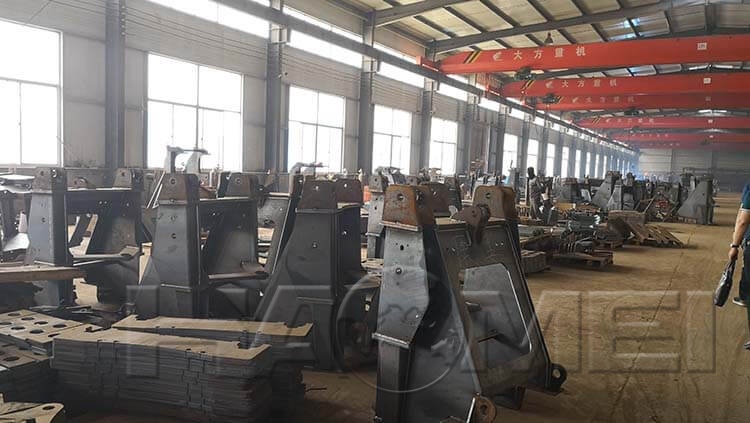
1. Is a self loading truck mixer worth it for small and remote concrete projects?
It can be worthwhile when the project regularly needs fresh concrete but has unstable access to commercial batching plants. The strongest advantage is not simply mobility. It is the ability to produce concrete when the crew is ready, rather than timing labor around ready-mix delivery slots.
A self loading truck mixer is especially practical when a site has limited road access, several separated work zones, or pours that are too small to justify repeated ready-mix deliveries. It can also reduce dependence on a wheel loader, a stationary mixer, and a separate transit truck because one operator can load materials, mix, and discharge concrete near the work area.
However, it is not automatically the right choice for every operation. If a project requires a large continuous pour with dozens of cubic meters per hour, a batching plant and multiple transit mixers may be more efficient. A self loading unit works best where flexibility, transport independence, and controlled small-batch production have greater value than high-volume continuous output.
| Project Condition | Self Loading Truck Mixer Fit | Reason |
|---|---|---|
| Remote housing foundations | Strong | Materials can be batched on site as needed. |
| Narrow rural roads | Strong | The machine can avoid reliance on large transit trucks. |
| Small daily concrete demand | Strong | Reduces minimum-order and waiting-time concerns. |
| Large bridge deck pour | Limited | High-output plant systems may maintain supply better. |
| Multiple small work areas | Strong | Concrete can be produced closer to each pour location. |
For operations comparing machine types, a Self Loading Mixer is generally most useful when daily production needs are variable and access conditions are difficult.
2. How much concrete can a self loading truck mixer make in one day?
Daily output depends on drum capacity, actual batch yield, loading speed, haul distance inside the site, material availability, operator experience, and cleaning time. The capacity printed on a machine is not always the same as usable concrete output. A drum rated at a certain volume may have a lower practical yield after allowing space for proper mixing, aggregate moisture, and slump adjustment.
For example, a 3.5 m3-class unit may produce roughly 3 to 3.5 cubic meters per batch under normal conditions. If each complete cycle, including loading, mixing, travel, discharge, and return, takes 30 to 45 minutes, the realistic output is determined by how many full cycles can be completed without interruptions.
Potential owners should calculate output from the full working cycle, not drum volume alone. Ask these questions:
How far is the aggregate and cement storage area from the pour?
Can the machine load materials without waiting for another machine?
Is there enough water supply for repeated batches?
Does the site have a trained operator and a second worker for material control?
How often will the machine travel on steep, muddy, or uneven ground?
A production estimate should include a buffer for washout, inspection, refueling, and minor delays. Planning around an ideal cycle time can create unrealistic expectations on an active jobsite.
3. Can a self loading truck mixer produce concrete with consistent quality?
Yes, but consistency depends more on batching discipline than on the mixer alone. The machine can deliver repeatable concrete when aggregate grading, water quantity, cement dosage, mixing time, and operator procedures are controlled. If the operator estimates water by eye or loads inconsistent shovel quantities, even an advanced mixer cannot guarantee uniform results.
The most important quality-control habit is recording a repeatable recipe. For each concrete grade, establish the loading sequence, bucket count or weight target, cement amount, water setting, mixing duration, and expected slump. Moisture in sand is particularly important because wet sand already carries water into the drum. Without adjustment, the mix can become too wet and lose intended strength.
Before major structural pours, make a trial batch and test slump according to the project specification. For critical reinforced concrete work, arrange laboratory cube or cylinder testing where local standards require it. A self loading truck mixer supports on-site production, but it does not replace material testing or approved mix-design procedures.
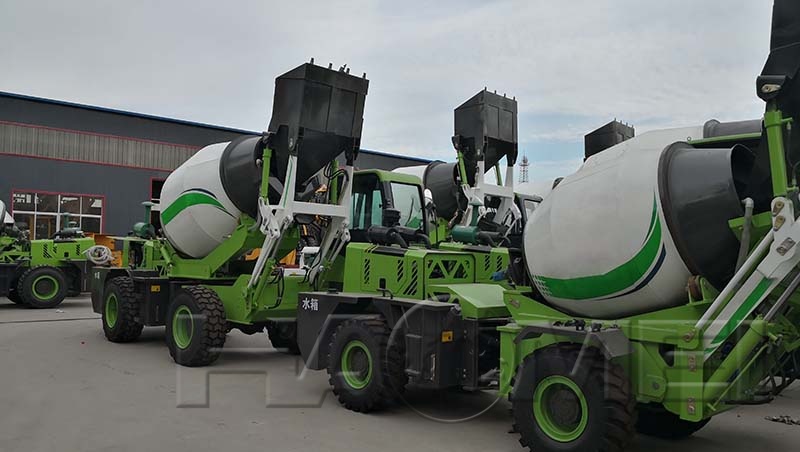
4. What size self loading truck mixer should I choose: 1.8 m3, 3.5 m3, or 4.0 m3?
Choose capacity based on the typical pour, not the largest pour you might complete once or twice a year. A machine that is oversized can increase fuel use, purchase cost, turning radius, and transport complexity. A machine that is too small can create excessive batch cycles and slow the crew.
A 1.8 m3 unit may suit repair work, small foundations, farm buildings, and light concrete tasks with limited daily demand. A 3.5 m3 machine is often a practical middle range for residential construction, local roads, drainage structures, and repeated foundation work. A 4.0 m3 model can better suit contractors handling larger slab sections and higher daily material movement.
The HM4.0 Self Mixer class is often considered where site access remains restricted but the operation needs more output than compact units can provide. Capacity selection should also account for machine width, turning space, axle load, terrain, and local road restrictions.
5. What maintenance problems should I expect with a self loading truck mixer?
Most preventable issues come from hardened concrete, neglected hydraulic checks, poor lubrication, and delayed replacement of wear components. Concrete residue is particularly damaging because it adds drum weight, reduces usable capacity, and can interfere with mixing blades and discharge movement.
Daily cleaning should include the drum interior, discharge chute, loading bucket, water system, and areas around moving joints. The hydraulic oil level, hoses, fittings, tire condition, brakes, and steering response should also be inspected before operation. On machines working in dusty or hot environments, radiator cleaning and engine air-filter maintenance become especially important.
Wear parts deserve planned inspection rather than emergency replacement. Mixing blades, bucket cutting edges, hydraulic seals, bearings, and chute liners can affect output and safety when worn beyond tolerance. Parts availability should be checked before purchase, especially for projects far from service centers.
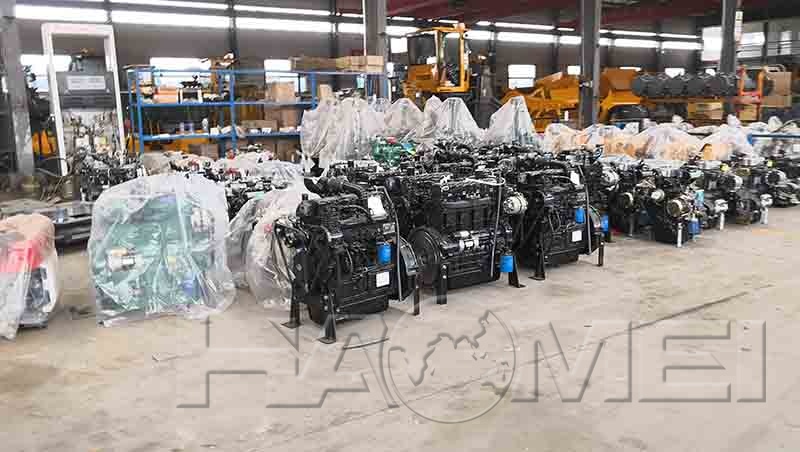
A practical maintenance schedule should separate daily cleaning, weekly lubrication, monthly hydraulic inspection, and periodic checks of drum blades, electrical connections, and braking components. This routine helps protect concrete quality, machine uptime, and long-term operating cost.
Original Source: https://www.self-loading-mixer.com/a/self-loading-truck-mixer.html
Tags: self loading truck mixer | self loading concrete mixer | mobile concrete mixer | on-site concrete mixing
Send us a Message
Category
| HM1.2 Self Mixer |
| HM1.8 Self Mixer |
| HM2.0 Self Mixer |
| HM 2.6 Self Mixer |
| HM3.5 Self Mixer |
| HM4.0 Self Mixer |
| HM 5.5 Self Mixer |
| HM6.5 Self Mixer |
Relate Blogs
Relate Products
CONTACT US
| Haomei Self Loading Mixer Co.,Ltd |
| Tel/Whatsapp: +86-15978414719 |
| Email: feedom@haomei-machinery.com |
| Website: https://www.self-loading-mixer.com |
| Office Add: 1103, No.14 Outer Ring Road, CBD, Zhengzhou, China |


