

Buy Self Loading Concrete Mixer Truck
 2026-08-04
5 Current Questions About Buying a Self Loading Concrete Mixer Truck
Recent English-language discussions on construction forums, Google searches, and social Q&A communities repeatedly focus on operating cost, batch capacity, road access, and maintenance support. The questions below reflect those active purchase-research themes, with practical answers for contractors adding on-site concrete production.
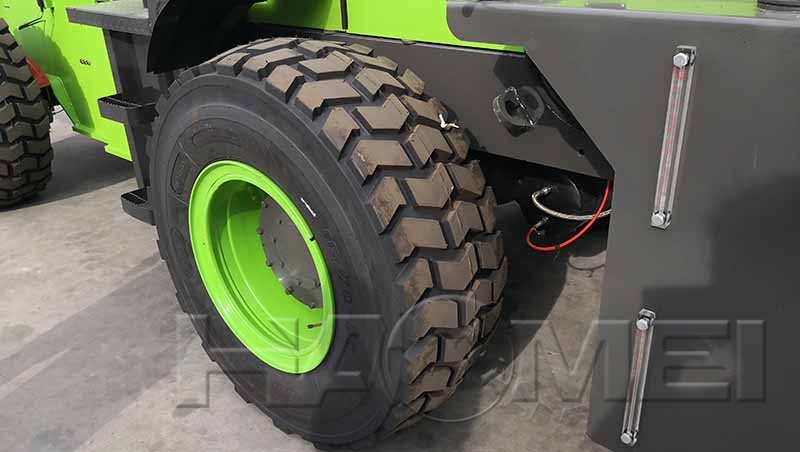
| Question Area | What to Compare | Why It Matters |
|---|---|---|
| Batch capacity | Drum output, usable output, daily batches | Prevents under-sizing or paying for unused capacity |
| Jobsite access | Machine width, turning radius, gradeability | Determines whether the unit can reach the pour location |
| Operating cost | Fuel use, labor requirement, maintenance intervals | Shows the true cost per cubic meter of concrete |
| Service readiness | Parts stock, technician response, warranty terms | Reduces costly downtime during active projects |
1. Is it worth buying a self loading concrete mixer truck instead of hiring ready-mix trucks?
It can be worthwhile when projects are in remote areas, have changing pour schedules, or require relatively small and frequent batches. A self loading concrete mixer truck combines aggregate loading, weighing, mixing, transport, and discharge in one machine. That reduces dependence on external batching plants and delivery slots.
The comparison should not be based only on the purchase price. Calculate the cost of ready-mix delivery, waiting time, rejected loads, labor for manual mixing, and delays caused by poor road access. For projects such as rural housing, drainage channels, small bridges, utility foundations, and scattered municipal repairs, producing concrete on site can provide better scheduling control.
However, a self-loading unit is not automatically the right fit for every operation. High-volume, continuous pours near a reliable batching plant may still be more efficiently supplied by conventional transit mixers. The strongest case for ownership is usually a steady pipeline of medium-volume work where delivery trucks are expensive, slow, or difficult to schedule.
A versatile Self Loading Mixer is especially useful when one machine must cover loading, mixing, short-distance transport, and discharge without relying on separate equipment.
2. What drum capacity should I choose: 1.8 m3, 3.5 m3, or 5.5 m3?
Capacity should be matched to the average daily concrete requirement, not the biggest single pour on the project calendar. A machine that is too small creates excessive batch cycles and fuel use. A machine that is too large may be harder to maneuver, more expensive to transport, and inefficient when most jobs need modest quantities.
| Nominal Capacity Range | Typical Project Fit | Practical Consideration |
|---|---|---|
| 1.2 to 2.0 m3 | House foundations, sidewalks, farm work, repair projects | Easier transport and access on narrow sites |
| 2.6 to 4.0 m3 | Villas, low-rise buildings, road drainage, small commercial work | Balanced option for varied contractor workloads |
| 5.5 to 6.5 m3 | Larger infrastructure, yards, repeated structural pours | Needs stronger site access and higher material supply capacity |
Do not assume nominal drum volume equals usable concrete output. Real output depends on mix design, aggregate moisture, loading accuracy, and the manufacturer's stated discharge capacity. Ask for the rated concrete output per batch and compare it with your planned daily production.
For contractors handling mixed residential and civil work, an HM3.5 Self Mixer size can offer a practical balance between mobility and production. Before selecting any model, confirm its machine dimensions, travel speed, hopper capacity, and discharge height against actual site conditions.
3. How much does it really cost to operate a self loading concrete mixer truck?
Operating cost is more than diesel consumption. The useful figure is cost per cubic meter of finished concrete, including fuel, operator wages, wear parts, routine servicing, finance cost, and material handling. If the machine replaces a loader, small mixer, water tanker, and several labor-intensive handling steps, its value can be higher than its fuel figure alone suggests.
Ask the supplier for data on engine power, fuel tank size, average fuel use per working hour, hydraulic oil capacity, tire specification, and recommended service intervals. Then estimate your own production pattern. A machine producing six batches daily has a different cost profile from one producing twenty batches daily.
Wear components deserve special attention. Mixing blades, drum liners, hydraulic hoses, bucket cutting edges, filters, tires, and seals all affect long-term expenditure. In abrasive aggregate conditions, blade and liner wear may increase faster than expected. It is sensible to include spare parts availability and labor time for replacement in the initial cost calculation.
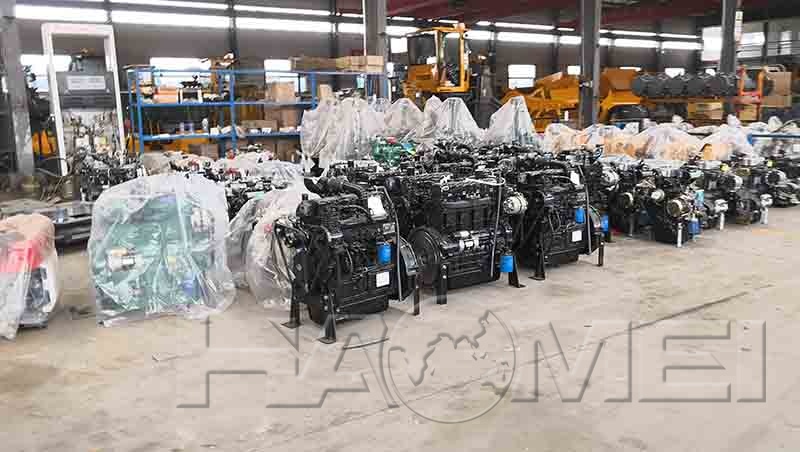
4. Can a self loading concrete mixer truck travel safely on rough or narrow jobsites?
Many self-loading machines are designed for uneven ground, but suitability depends on the exact road and site layout. Check overall width, wheelbase, turning radius, ground clearance, tire type, gradeability, and loaded machine weight. A narrow village lane, soft excavation edge, or steep access ramp can become a major limitation even when the concrete volume is modest.
The loaded drum changes stability. Operators should travel slowly, avoid sudden steering inputs, keep the load within rated capacity, and assess side slopes before entering them. Wet clay, loose fill, and unprotected trench edges require special caution. Four-wheel drive and four-wheel steering can improve access, but they do not eliminate the need for proper ground assessment.
Before purchase, map the tightest access point on a typical project. Measure gate width, internal turning space, overhead clearance, and slope. This simple check is often more valuable than comparing brochure specifications alone.
5. What should I inspect before placing an order for a new self loading mixer?
Start with the support system, not only the machine specification. Confirm where maintenance will be performed, whether technicians can reach your projects, and which consumable parts are stocked locally. Request a written list of warranty coverage, exclusions, service response expectations, and recommended preventive-maintenance intervals.
Inspect the machine configuration in detail. Check the drum rotation system, hydraulic pumps and motors, weighing system, water tank and water-metering arrangement, cab visibility, camera options, lighting, safety alarms, and discharge chute range. If possible, request a demonstration using a mix design similar to the one used on your projects.
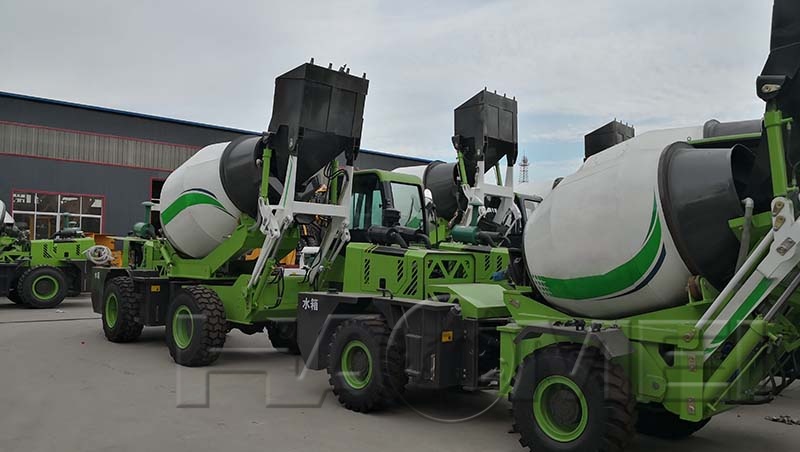
Use this pre-delivery inspection list before accepting the machine:
- Confirm the chassis and drum serial numbers match the sales documents.
- Test forward, reverse, steering, braking, drum rotation, bucket lift, and discharge functions.
- Verify the weighing display and water-metering system operate consistently.
- Inspect hydraulic connections for leaks after a full operating cycle.
- Check the supplied tool kit, manuals, filters, and agreed spare parts.
- Train operators on loading sequence, mix timing, cleaning, daily checks, and safe travel with a loaded drum.
A clean drum after every shift, regular lubrication, correct hydraulic oil maintenance, and early replacement of worn blades are essential practices for keeping a self loading concrete mixer truck productive on demanding construction work.
Original Source: https://www.self-loading-mixer.com/a/buy-self-loading-concrete-mixer-truck.html
Tags: buy self loading concrete mixer truck | self loading mixer | concrete mixer truck
Send us a Message
Category
| HM1.2 Self Mixer |
| HM1.8 Self Mixer |
| HM2.0 Self Mixer |
| HM 2.6 Self Mixer |
| HM3.5 Self Mixer |
| HM4.0 Self Mixer |
| HM 5.5 Self Mixer |
| HM6.5 Self Mixer |
Relate Blogs
Relate Products
CONTACT US
| Haomei Self Loading Mixer Co.,Ltd |
| Tel/Whatsapp: +86-15978414719 |
| Email: feedom@haomei-machinery.com |
| Website: https://www.self-loading-mixer.com |
| Office Add: 1103, No.14 Outer Ring Road, CBD, Zhengzhou, China |


