

Self Loading Concrete Mixer Truck Price
 2026-06-29
When evaluating self loading concrete mixer truck price, purchasing teams should look beyond the first quotation. A modern machine combines a wheel loader, concrete mixer, water dosing system, weighing system, and transport vehicle in one unit. Its value depends on structural design, material selection, hydraulic performance, control accuracy, engine configuration, and after-sales support.
For road repair, rural housing, foundations, irrigation works, and small to medium concrete jobs, this equipment can reduce the need for separate loaders, transit mixers, and batching plants. That is why the real cost should be measured by total productivity, fuel use, labor savings, maintenance access, and expected service life.
Price Factors and Cutting-Edge Design Details
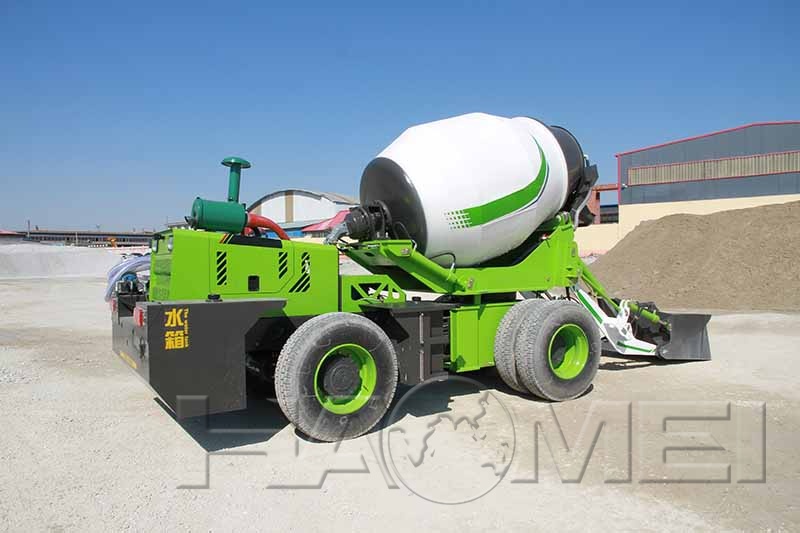
A self loading mixer truck is designed to complete loading, metering, mixing, transporting, and discharging on site. The most important design difference is integration. A loading bucket feeds aggregates into the drum, the water system measures the required volume, and the rotating drum mixes while the vehicle moves to the discharge point.
The machine frame normally uses a compact wheelbase and articulated steering or four-wheel steering, depending on the model. This improves turning ability in narrow job areas. Many models use four-wheel drive to handle muddy ground, slopes, and uneven access roads. For operators, a rotating cab or wide-view cab can improve visibility during loading, mixing, and pouring.
A common choice for contractors is a mid-capacity Self Loading Mixer, because it offers a balance between output, site flexibility, and fuel consumption. Smaller models are suitable for village roads and tight residential areas, while larger units are better for continuous concrete supply.
| Design Part | What It Does | Why It Affects Cost |
|---|---|---|
| Mixing drum | Mixes cement, sand, aggregate, and water | Larger capacity and stronger drum plates increase price |
| Hydraulic system | Powers loading, drum rotation, steering, and discharge | Brand components and stable pressure control add value |
| Weighing system | Helps control aggregate and cement proportion | Higher accuracy improves concrete consistency |
| Water dosing system | Measures water volume for the mix | Better pumps and meters reduce mix variation |
| Drive system | Moves the machine on rough jobsites | Four-wheel drive and heavy axles raise manufacturing cost |
| Cab and controls | Improve operator comfort and control | Joysticks, cameras, and rotating seats increase usability |
The drum structure is especially important. A well-designed spiral blade inside the drum improves mixing uniformity and discharge speed. Poor blade geometry can cause material build-up, longer mixing time, and uneven slump. In factory inspection, engineers usually check drum concentricity, welding quality, hydraulic leakage, and discharge smoothness before delivery.
Material Selection, Equipment Advantages, and Price Range Logic
The selected materials have a direct effect on durability. The chassis and loading arm usually require high-strength structural steel, because these parts handle repeated impact during aggregate loading and movement on uneven surfaces. The mixing drum needs wear-resistant steel or reinforced plate sections because sand and stone rub against the inner wall during every batch.
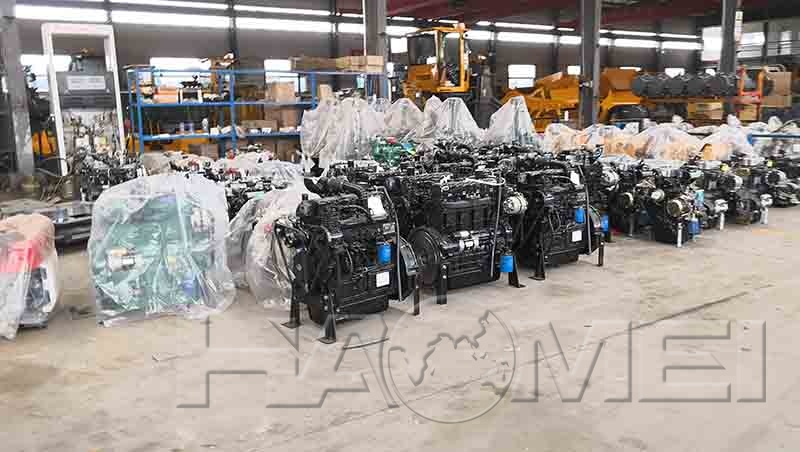
Hydraulic hoses, seals, pumps, and motors also influence the working life of the machine. Low-grade hoses may crack early under heat, vibration, and pressure cycles. A reliable hydraulic system should have stable oil flow, proper filtration, and easy access for inspection. In practical factory maintenance, many failures are caused not by the main steel structure, but by neglected filters, contaminated hydraulic oil, loose joints, or damaged seals.
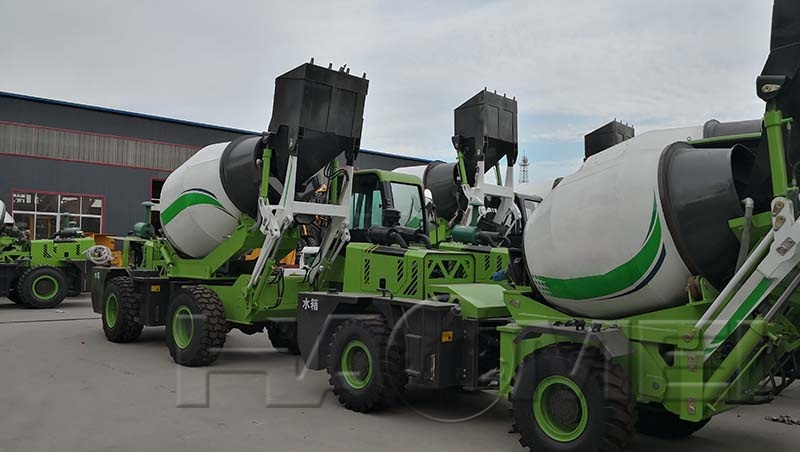
The cost of a concrete mixer truck with self loading function is not fixed. It changes with capacity, engine power, emission standard, steel thickness, hydraulic brand, control system, tires, cabin design, and optional equipment such as air conditioning, high-pressure washing, or camera systems.
| Capacity Class | Typical Use Scenario | Cost Consideration |
|---|---|---|
| Small capacity | House building, sidewalks, narrow village roads | Lower purchase cost, easier movement, smaller output |
| Medium capacity | Roads, drainage works, general foundations | Balanced investment, strong site adaptability |
| Large capacity | Larger pours, remote projects, repeated daily production | Higher initial cost, better output per shift |
For example, a model such as the HM2.6 Self Mixer is often selected for general construction because it can serve many site types without becoming too large for common access roads. When comparing offers, it is better to check not only nominal drum volume, but also actual output per batch, loading cycle time, water measurement method, axle strength, and local service availability.
The main operating advantages are easy to understand. One operator can load raw materials, mix concrete, and drive to the pouring point. This reduces waiting time between batching and delivery. On remote sites, it also reduces dependence on ready-mix supply. Since the machine can produce concrete near the working area, it helps limit quality loss caused by long transport time, provided that mix design and material proportioning are properly controlled.
Another advantage is flexibility. If a project needs several small pours in different locations, a stationary batching plant may be inefficient. A mobile self loading unit can move from one area to another, especially for road shoulders, culverts, farm channels, and small bridges. It also saves site space because raw material loading and mixing happen within one machine system.
Troubleshooting Common Problems Before They Become Expensive
Good maintenance protects the value of the equipment. Operators should follow the maintenance intervals stated in the manufacturer manual, especially for engine oil, hydraulic oil, filters, grease points, brake inspection, tire pressure, and drum cleaning. After each working day, concrete residue must be washed from the drum, chute, bucket, and blade area. Hardened concrete increases weight, reduces capacity, and can damage moving parts.
| Problem | Possible Cause | Practical Solution |
|---|---|---|
| Drum rotates slowly | Low hydraulic oil, clogged filter, weak pump, oil overheating | Check oil level, replace filter, inspect pump pressure, clean radiator |
| Uneven concrete mix | Wrong water ratio, worn drum blades, short mixing time | Calibrate water meter, inspect blades, extend mixing cycle as required |
| Loading arm is weak | Hydraulic leakage, valve fault, cylinder seal wear | Inspect hoses and joints, test valve block, replace damaged seals |
| Machine pulls to one side | Uneven tire pressure, brake drag, steering issue | Adjust tire pressure, inspect brake system, check steering cylinder |
| Water system inaccurate | Air in pipeline, faulty flow meter, blocked filter | Bleed the line, clean filter, test or replace measuring device |
| Abnormal vibration | Loose bolts, damaged bearing, unbalanced drum residue | Tighten fasteners, inspect bearings, remove hardened concrete |
From an engineering point of view, troubleshooting should start with simple checks before replacing major components. For example, if the drum speed drops, do not immediately assume that the hydraulic motor has failed. First check oil level, oil temperature, filter condition, hose leakage, and whether the radiator is blocked by dust or cement powder. This step-by-step method avoids unnecessary repair cost.
Operators should also pay attention to load limits. Overloading the bucket or drum may seem to increase production, but it increases stress on the chassis, axles, bearings, and hydraulic circuit. In the long term, overload operation raises repair expense and shortens machine life. A stable batch size usually gives better daily output than irregular overloading followed by downtime.
Before placing an order, review the quotation in detail. Ask for the engine model, rated power, drum capacity, hydraulic configuration, steel specification, tire size, braking type, water tank capacity, weighing method, warranty terms, and spare parts supply plan. A lower offer may be attractive, but the better investment is the machine that delivers consistent concrete, safe operation, and predictable maintenance cost on your project sites.
Original Source: https://www.self-loading-mixer.com/a/self-loading-concrete-mixer-truck-price.html
Tags: Self Loading Concrete Mixer Truck Price | self loading mixer | concrete mixer truck | construction equipment
Send us a Message
Category
| HM1.2 Self Mixer |
| HM1.8 Self Mixer |
| HM2.0 Self Mixer |
| HM 2.6 Self Mixer |
| HM3.5 Self Mixer |
| HM4.0 Self Mixer |
| HM 5.5 Self Mixer |
| HM6.5 Self Mixer |
Relate Blogs
| Rough Terrain Concrete Mixer |
| Self Loading Transit Mixer |
| Self Loading Concrete Mixer Truck Price |
| Self Loading Concrete Mixer |
| Self Loading Concrete Mixer For Sale |
Relate Products
CONTACT US
| Haomei Self Loading Mixer Co.,Ltd |
| Tel/Whatsapp: +86-15978414719 |
| Email: feedom@haomei-machinery.com |
| Website: https://www.self-loading-mixer.com |
| Office Add: 1103, No.14 Outer Ring Road, CBD, Zhengzhou, China |


