

Self Loading Concrete Mixer Pricelist
 2026-06-22
People comparing a self loading concrete mixer pricelist often ask the same practical questions: Why do prices vary so much? Which capacity is worth paying for? What extra costs appear after the quotation? The answers below focus on real purchasing concerns from the last few months, especially for contractors planning to add a new machine for roads, housing, farms, drainage, foundations, and remote job sites.
1. What is the current self loading concrete mixer price range in 2026?
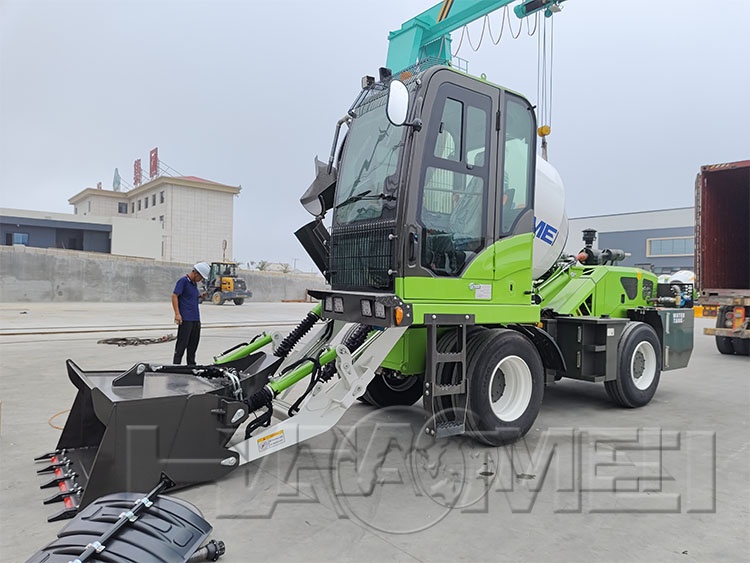
A new self loading concrete mixer commonly ranges from about USD 12,000 to USD 80,000 or higher, depending on drum capacity, engine brand, hydraulic system, cabin design, weighing system, and emission standard. Small 1.2 to 2.0 cubic meter models are usually selected for narrow roads, village projects, and small foundations. Mid-size 3.5 to 4.0 cubic meter machines are popular because they balance output, mobility, and operating cost. Large 5.5 to 6.5 cubic meter models are chosen when one machine must replace several small mixers and loaders.
The price shown in a pricelist is usually the base machine price. It may not include ocean freight, local duties, inland delivery, insurance, spare parts, training, or optional attachments. That is why two suppliers can quote different prices for what looks like the same capacity. A serious comparison should check what is included, not just the first number.
| Capacity Class | Typical Use | General Price Position | Main Cost Drivers |
|---|---|---|---|
| 1.2 to 2.0 m3 | Small sites, tight access, repairs | Lower | Engine, axle type, weighing system |
| 2.6 to 3.5 m3 | Buildings, rural roads, utilities | Medium | Hydraulic parts, operator cabin, drum quality |
| 4.0 to 5.5 m3 | Continuous site concrete supply | Higher | Bigger chassis, fuel system, reinforced frame |
| 6.5 m3 | High output remote batching | Highest | Powertrain, mixing efficiency, export standard |
For a compact project, a product such as the HM1.8 Self Mixer may be easier to justify than a larger machine, especially when site access is limited and daily concrete demand is moderate.
2. Why do different factories give different pricelists for the same capacity?
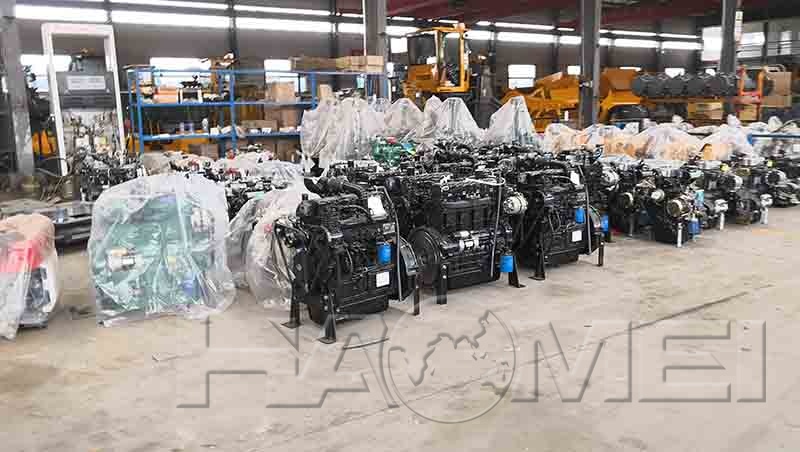
Capacity is only one part of the cost. A 3.5 m3 machine from one factory may use a different engine, hydraulic pump, gearbox, axle, electronic scale, and steel thickness than another 3.5 m3 machine. Even the drum rotation system and water metering method can affect both price and concrete consistency.
Another reason is configuration language. Some pricelists include air conditioning, a 270 degree rotating drum, camera system, high pressure washer, automatic water supply, and digital weighing. Others list these as paid options. If you compare only the model name and capacity, the cheaper quotation may later become expensive after adding the missing items.
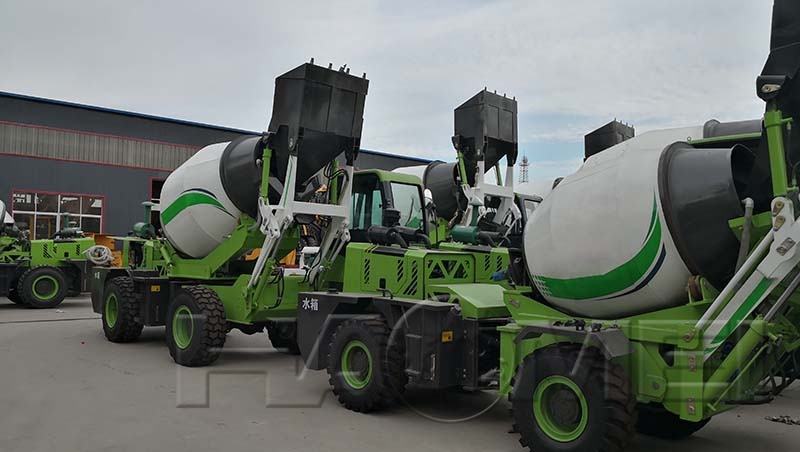
The best way to read a pricelist is to ask for a configuration sheet beside the price. It should mention engine model, rated power, drum capacity, concrete output per batch, driving type, climbing ability, water tank volume, unloading height, warranty period, and spare parts package. A transparent supplier should be comfortable explaining each line.
3. Is a 3.5 cubic meter self loading mixer the most cost-effective size?
For many contractors, 3.5 m3 is the practical middle size. It can serve small and medium projects without requiring the same budget as a 5.5 m3 or 6.5 m3 model. It is also easier to move between job sites than a large unit, while still producing enough concrete for slabs, houses, drains, and rural road sections.
However, cost-effectiveness depends on your daily output. If you only pour a few cubic meters per day, a smaller unit can save purchase cost, fuel, and maintenance. If your team pours continuously, a small unit may create waiting time for labor and formwork crews. In that case, a larger capacity becomes cheaper per cubic meter, even if the upfront price is higher.
| Question to Check | If Your Answer Is Yes | Better Capacity Direction |
|---|---|---|
| Do you work in villages or narrow roads? | Yes | 1.2 to 2.6 m3 |
| Do you pour house slabs and site roads often? | Yes | 3.5 to 4.0 m3 |
| Do you need continuous supply all day? | Yes | 5.5 to 6.5 m3 |
| Is operator skill limited? | Yes | Choose simpler controls and strong support |
A mid-size model such as the HM3.5 Self Mixer is often discussed because it sits between low purchase cost and productive daily output.
4. What hidden costs should I add to a self loading concrete mixer pricelist?
Hidden costs are a common concern because the machine price is not the total ownership cost. Freight can be significant, especially for remote countries or inland destinations. Import duty, port charges, customs clearance, local taxes, bank fees, and delivery from port to site may change the final landed cost.
After arrival, you may also need operator training, first maintenance service, hydraulic oil, filters, tires, grease, wear plates, sensors, and water pump parts. If the machine works far from a city, keeping spare parts on site is not optional; it protects your schedule.
A safer budget includes the following items:
| Cost Item | Why It Matters | Suggested Action |
|---|---|---|
| Sea freight or truck freight | Can change monthly | Ask for current shipping cost |
| Import tax and local fees | Varies by country | Confirm with a customs broker |
| Spare parts | Reduces downtime | Order filters, seals, sensors, and wearing parts |
| Training | Prevents misuse | Request video and on-site or remote support |
| Warranty service | Affects repair cost | Read warranty scope before payment |
A low quotation without parts support can become expensive if the machine stops during a concrete pour. For construction equipment, service response has real financial value.
5. How can I request a reliable quotation without overpaying?
Start with your project data instead of asking only for the cheapest price. Tell the supplier your required cubic meters per day, road condition, slope, aggregate size, power preference, country emission rules, and whether you need a closed cabin or air conditioning. This helps the supplier recommend the right model rather than simply sending the lowest pricelist.
Ask for a quotation that separates the machine price, optional items, spare parts, shipping cost, payment terms, production time, warranty, and after-sales support. If the supplier gives only one total number, request a detailed breakdown. It is also reasonable to ask for factory test videos, loading photos, inspection reports, and references from similar climates or job conditions.
Before paying a deposit, compare at least three offers using the same checklist:
| Comparison Point | What to Look For |
|---|---|
| Capacity and output | Drum size, real concrete output, batch cycle time |
| Main components | Engine, hydraulic pump, gearbox, axles |
| Concrete accuracy | Weighing system, water control, mixing uniformity |
| Safety and comfort | Camera, cabin, brake system, visibility |
| Support | Manuals, training, parts stock, warranty response |
The lowest number on a self loading concrete mixer pricelist is not always the best purchase. A fair price is the one that matches the machine configuration, local delivery cost, reliable parts supply, and the amount of concrete your projects need every working day.
Original Source: https://www.self-loading-mixer.com/a/self-loading-concrete-mixer-pricelist-2026-06-22.html
Tags: self loading concrete mixer pricelist | self loading mixer price | concrete mixer truck cost
Send us a Message
Category
| HM1.2 Self Mixer |
| HM1.8 Self Mixer |
| HM2.0 Self Mixer |
| HM 2.6 Self Mixer |
| HM3.5 Self Mixer |
| HM4.0 Self Mixer |
| HM 5.5 Self Mixer |
| HM6.5 Self Mixer |
Relate Blogs
Relate Products
CONTACT US
| Haomei Self Loading Mixer Co.,Ltd |
| Tel/Whatsapp: +86-15978414719 |
| Email: feedom@haomei-machinery.com |
| Website: https://www.self-loading-mixer.com |
| Office Add: 1103, No.14 Outer Ring Road, CBD, Zhengzhou, China |


