

Self Loading Transit Mixer Price
 2026-03-10
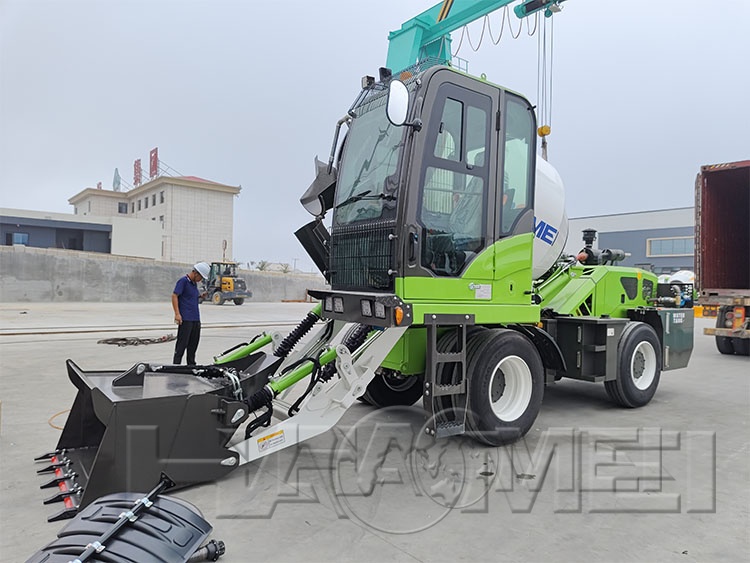
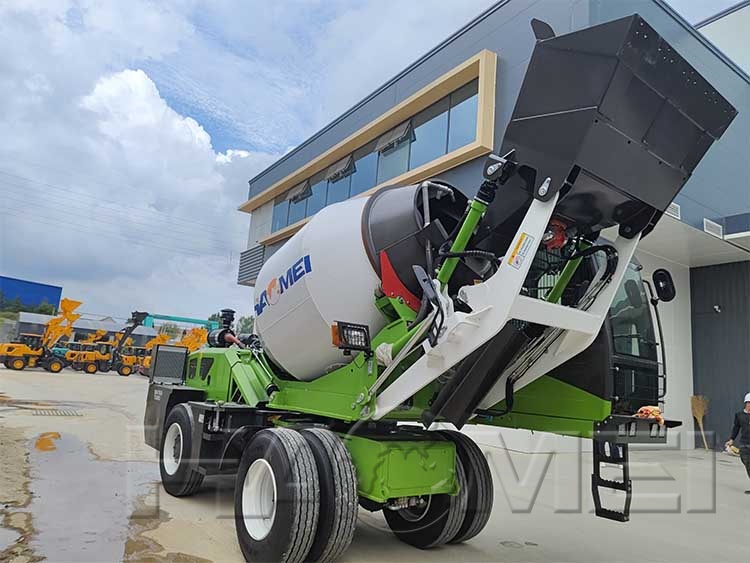
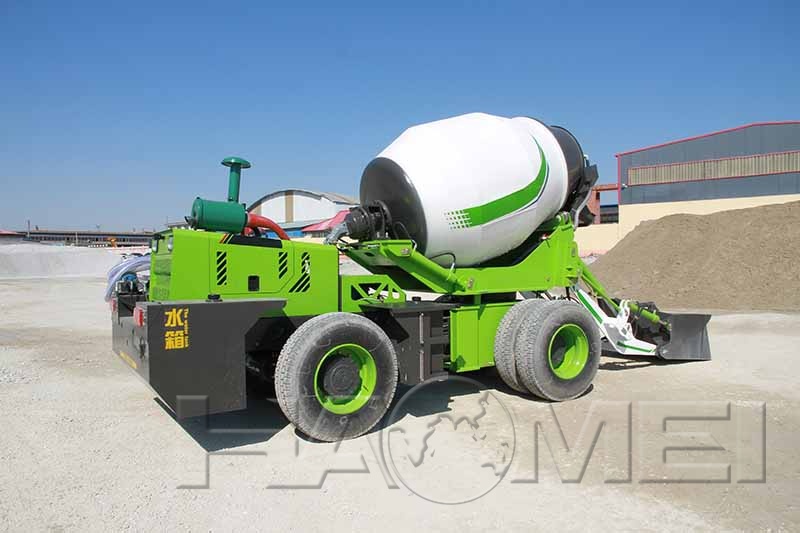
Self loading transit mixers combine batching, loading, mixing, and short haul transport in one unit. Pricing varies widely because the machine is a package of powertrain, hydraulics, weighing controls, and a mixing drum. If you compare models only by drum volume, you risk paying too much for features you will not use, or buying too small and losing output.
1. What actually changes the price, and what to verify on the quote
Use this list to force apples to apples comparisons across brands and dealers.
A. Output capacity, not just drum size
Verify the rated batch size in concrete output per cycle, and typical cycles per hour on your aggregate size and slump.
Ask whether the stated capacity assumes a full heaped bucket or struck capacity.
B. Engine tier and emissions package
The engine tier affects cost and availability. If you are exporting or working on regulated sites, confirm which standard applies.
Authority reference: US EPA nonroad diesel rules require Tier 4 Final for many new engines in regulated power classes.
C. Weighing and water dosing controls
If the mixer includes load cells, digital batching, and water metering, expect a higher price but better consistency and less cement waste.
If it is manual dosing, budget for more QA testing and operator training.
D. Chassis and drive configuration
4x4 and higher ground clearance raise cost but reduce getting stuck and site delays.
Confirm transmission type, axle ratings, tire spec, and turning radius for tight sites.
E. Hydraulic system and component brands
Ask for pump and motor brand and model. Hydraulics are a major cost and reliability driver.
Confirm hydraulic oil cooling capacity for hot climates.
F. Optional equipment that often shifts the number by 10 percent or more
Enclosed cab with HVAC.
Reversing camera and additional work lights.
Additional water tank capacity.
Centralized lubrication.
Remote diagnostics or telematics.
Quote verification checklist
| Item to confirm on the quotation | Why it matters | What to request in writing |
|---|---|---|
| Batch output rating and test conditions | Prevents capacity mismatch | Rated output per cycle, aggregate max size, slump assumption |
| Engine model and emissions tier | Compliance and resale value | Engine make, model, tier, aftertreatment details |
| Weighing system type | Concrete consistency and cement control | Load cell count, accuracy spec, calibration procedure |
| Warranty scope | Total cost risk | Coverage for engine, hydraulics, structural, hours and months |
| Spares and consumables | Downtime control | List of filters, belts, wear parts, lead times |
| Commissioning and training | Avoids early failures | On site commissioning and operator training hours |
2. Price ranges you can validate, and how to compare total cost per cubic meter
Public pricing for self loading mixers is fragmented because many sales are project based and vary by configuration, region, and engine tier. The most defensible approach is to benchmark from multiple dealer quotes and triangulate with marketplace listings.
Verifiable benchmark sources to use
International marketplaces that show list or asking prices for self loading concrete mixers, such as MachineryTrader and Truck1, can provide a sanity check for new and used ranges. Always match year, hours, and emissions tier.
Government procurement portals in some countries publish awarded prices for construction equipment. Use them where available to validate local pricing.
Total cost comparison table
Use this table to compare options without repeating the same price headline.
| Cost element | What changes it | How to evaluate |
|---|---|---|
| Acquisition cost | Capacity, engine tier, controls, 4x4, cab | Compare like for like spec sheets |
| Fuel consumption | Engine size, duty cycle, driving distance | Measure liters per hour over a week trial |
| Cement overuse from poor dosing | Manual vs metered water and weighing | Track cement per cubic meter before and after |
| Wear parts | Drum liners, blades, bucket edges | Ask for part numbers and prices |
| Downtime | Service network, diagnostics, parts lead time | Check local stock and typical delivery times |
| Operator efficiency | Visibility, automation, ergonomics | Evaluate cycle time and rework frequency |
Simple field formula to compare ROI
Cost per cubic meter equals total monthly machine cost divided by monthly delivered cubic meters.
Total monthly machine cost should include finance or depreciation, fuel, maintenance, tires, operator, and expected downtime.
If you are evaluating smaller sites with frequent relocations, a compact unit like the HM2.0 Self Mixer may reduce logistics costs versus larger units, even if its per unit acquisition is lower or higher depending on configuration.
3. Selection steps, compliance checks, and real world usage tips
Step by step selection process
Define your daily volume and haul distance
Record planned pours per day and the average distance between stockpile, water source, and placement.
Choose batch size based on placement bottlenecks
If your crew and formwork can only place 10 to 15 cubic meters per hour, oversizing the mixer adds cost without output gains.
Match the machine to your material supply
If aggregates are wet or poorly graded, prioritize mixers with robust weighing, water metering, and strong drum drive torque.
Confirm serviceability and parts
Require an initial spare parts package and confirm filter and wear part availability locally.
Run a site trial with your mix design
Track cycle time, slump consistency, and wash down time.
Safety and regulatory points to verify
Machine guarding and safe access: Verify guarding around moving parts and safe access steps and handholds.
Workplace rules: If operating in jurisdictions influenced by OSHA style requirements, ensure the employer provides training, hazard communication, and safe operation procedures.
Road travel compliance: If you will travel on public roads, confirm local requirements for lighting, braking, registration, and maximum vehicle dimensions and axle loads. These are jurisdiction specific and can change delivered cost due to required options.
Usage tips that protect your investment
Calibrate weighing and water dosing routinely: Small errors can increase cement consumption, which often costs more than maintenance.
Enforce a wash down routine: Residual buildup reduces drum volume and increases wear.
Track key KPIs: liters per cubic meter, cement per cubic meter, and unplanned downtime hours.
Spec comparison for common job profiles
| Job profile | Recommended features | Avoid paying for |
|---|---|---|
| Remote rural pours | 4x4, high ground clearance, larger water tank, easy service access | High end telematics if no connectivity |
| Urban tight sites | Compact wheelbase, strong visibility, camera, low noise options | Oversized drum that cannot maneuver |
| High volume repetitive work | Load cells, water metering, faster cycle hydraulics, durable liners | Underpowered engine that slows cycles |
If your work spans mixed conditions, start by comparing a general purpose Self Loading Mixer configuration with two different control packages: manual dosing versus metered batching. The price delta is usually easier to justify when you quantify cement savings and rework reduction over three to six months.
Market trends that influence near term pricing
Emissions tiers and aftertreatment: Tighter regulations increase manufacturing cost and can limit availability of certain engine configurations in some regions.
Digitalization: Load cell batching, GPS logging, and remote diagnostics are becoming common and can raise upfront cost while reducing waste and downtime.
Parts and logistics volatility: Hydraulic components and engines can face lead time swings, affecting delivery dates and sometimes dealer pricing.
Use the checklists and cost table above to negotiate from verified specifications and measurable operating costs, not only from the sticker number on a single quotation.
Original Source: https://www.self-loading-mixer.com/a/self-loading-transit-mixer-price.html
Tags: Self Loading Mixer | Transit Mixer Cost
Prev: Self Loading Concrete Mixer Truck for Fast On Site Mixing
Send us a Message
Category
| HM1.2 Self Mixer |
| HM1.8 Self Mixer |
| HM2.0 Self Mixer |
| HM 2.6 Self Mixer |
| HM3.5 Self Mixer |
| HM4.0 Self Mixer |
| HM 5.5 Self Mixer |
| HM6.5 Self Mixer |
Relate Blogs
Relate Products
CONTACT US
| Haomei Self Loading Mixer Co.,Ltd |
| Tel/Whatsapp: +86-15978414719 |
| Email: feedom@haomei-machinery.com |
| Website: https://www.self-loading-mixer.com |
| Office Add: 1103, No.14 Outer Ring Road, CBD, Zhengzhou, China |


