

Self Loading Mobile Concrete Mixer Spare Parts
 2026-10-19
Self loading mobile concrete mixers combine loading, batching, mixing, travel, and discharge functions in one machine. That integration reduces dependence on separate equipment, but it also makes parts selection more demanding. A failed hydraulic hose, drum blade, axle seal, or sensor can stop concrete production and delay an entire pour.
For fleet owners and project managers, the practical objective is not to hold every component in stock. It is to identify high-risk wear items, verify fitment before ordering, and build a service plan around operating hours, material abrasiveness, and local parts lead times.
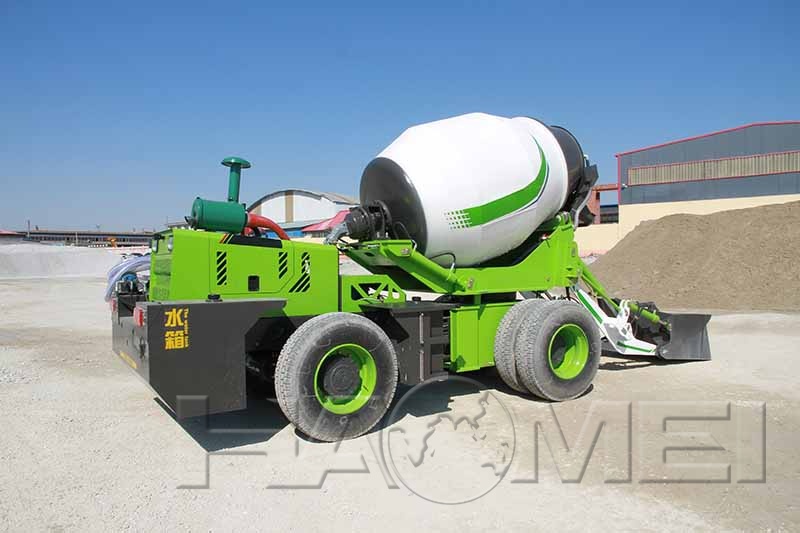
Identify the Parts That Cause the Most Downtime
Start with the machine's parts book, serial number, engine model, axle model, hydraulic-pump identification plate, and drum capacity. A mixer model name alone is not enough for accurate ordering. Manufacturers can change hose routing, sensor connectors, pump displacement, or brake assemblies during a production run.
Use this three-step check before approving a purchase order:
- Match the OEM part number against the serial-number range in the manual.
- Confirm dimensions and technical data, including thread type, voltage, pressure rating, tooth count, and seal material.
- Compare the failed part with the replacement before installation, especially for hydraulic, electrical, and brake components.
The following table helps prioritize stock based on typical operating exposure.
| Part group | Common failure mechanism | Stock recommendation | Verification before fitting |
|---|---|---|---|
| Mixing blades and scrapers | Abrasion from aggregate and cement slurry | Keep a planned replacement set for high-hour machines | Blade profile, bolt pattern, drum direction |
| Hydraulic hoses and fittings | Abrasion, heat, contamination, hose aging | Stock common hose sizes and approved fittings | Pressure rating, fitting series, hose length, routing |
| Hydraulic filters | Contaminated oil and missed service intervals | Keep filters for every fleet model | Filter part number, bypass specification, seal size |
| Seals and cylinder kits | Rod damage, heat, contaminated oil | Stock for heavily used cylinders | Cylinder bore, rod diameter, seal compound |
| Wheel bearings and hub seals | Dust, water ingress, overload | Keep when machines travel frequently on rough sites | Axle model, hub dimensions, torque procedure |
| Electrical sensors and switches | Vibration, moisture, connector damage | Keep critical safety and batching sensors | Connector type, supply voltage, calibration requirement |
Mixing components deserve special attention. Worn blades lower mixing efficiency and can leave hardened concrete in the drum. Replacement should be scheduled before a blade wears through or its mounting area becomes damaged. During planned blade work, inspect drum liners, mounting bolts, discharge chute pivots, and gearbox supports at the same time.
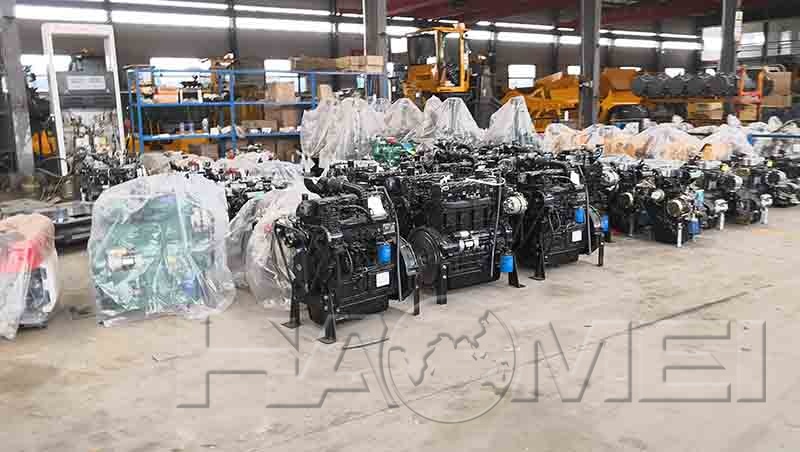
Choose OEM, Equivalent, or Rebuilt Components by Risk
Not every item requires the same sourcing strategy. Consumables such as correctly specified filters and standard fasteners may be available from reputable industrial suppliers. However, parts affecting steering, braking, hydraulics, load handling, or machine controls need stricter fitment and traceability controls.
| Purchase option | Appropriate use | Main benefit | Main control needed |
|---|---|---|---|
| OEM part | Safety-related, electronic, structural, drivetrain, and warranty-sensitive items | Known fitment and documented specification | Confirm current part-number supersession |
| Qualified equivalent | Filters, hoses, bearings, seals, and standard electrical items when specifications match | Can reduce lead time and procurement cost | Obtain technical datasheet and verify interchange data |
| Rebuilt component | Selected starters, alternators, hydraulic cylinders, and pumps from a qualified rebuilder | May reduce acquisition cost and material waste | Require test record, warranty, and core-condition assessment |
Do not select hydraulic hose only by outside diameter. The replacement must meet the required working pressure, temperature range, fluid compatibility, bend radius, and fitting type. ISO 4413, Hydraulic fluid power - General rules and safety requirements for systems and their components, is a recognized reference for hydraulic-system safety. It supports practices such as depressurizing systems before work, preventing hose abrasion, and controlling leakage hazards.
For braking, steering, and rollover-protection-related repairs, use the manufacturer's approved components and tightening procedure. Changes to machine safety systems can affect regulatory compliance and insurance coverage. In the United States, site operators should also assess applicable OSHA construction requirements, including the general equipment provisions in 29 CFR 1926 Subpart O. Requirements vary by jurisdiction and machine classification.
A practical investment comparison is to calculate downtime exposure rather than focus only on invoice price. Record these values for each critical part:
- Average delivery lead time.
- Labor hours to replace the part.
- Lost production hours if the machine stops.
- Cost of delayed concrete placement, standby labor, and hired replacement equipment.
- Failure frequency from service records.
A low-cost seal kit may justify shelf stock if its absence stops the mixer for several days. A costly electronic controller may be better supplied through a rapid-delivery agreement unless the fleet operates many identical units.
For capacity planning, compare specifications and service commonality across a HM3.5 Self Mixer and a HM4.0 Self Mixer. Standardizing a fleet around fewer models can simplify filters, hoses, sensors, training, and diagnostic tools.
Build a Parts and Maintenance System That Prevents Emergency Orders
Create a machine-specific register rather than a generic inventory list. Each record should include the asset number, serial number, component supplier, approved alternatives, last replacement date, running hours, storage location, and supplier lead time.
Use the following inspection rhythm, then adjust it to the manufacturer's maintenance schedule and site conditions.
| Interval | Inspection actions | Parts decision |
|---|---|---|
| Daily before operation | Check fluid leaks, hose rubbing, tire condition, blade bolts, chute pivots, lights, alarms, and visible wiring | Tag damage and stage urgent replacements |
| Weekly | Inspect filter indicators, hydraulic fittings, battery terminals, drum drive area, grease points, and wheel-end leakage | Order items showing early wear |
| At scheduled service hours | Replace fluids and filters as specified, inspect oil samples where used, check brake and steering components | Replenish consumed stock and update failure history |
| Before major pours | Confirm spare hose, filter, electrical fuse, seal kit, and emergency repair tools are available | Protect the production schedule from common stoppages |
Store rubber seals, hoses, and electrical items away from direct sunlight, ozone sources, moisture, and excessive heat. Keep hydraulic fittings capped until installation. Contamination introduced during a rushed repair can damage pumps, motors, and valves that cost far more than the original failed item.
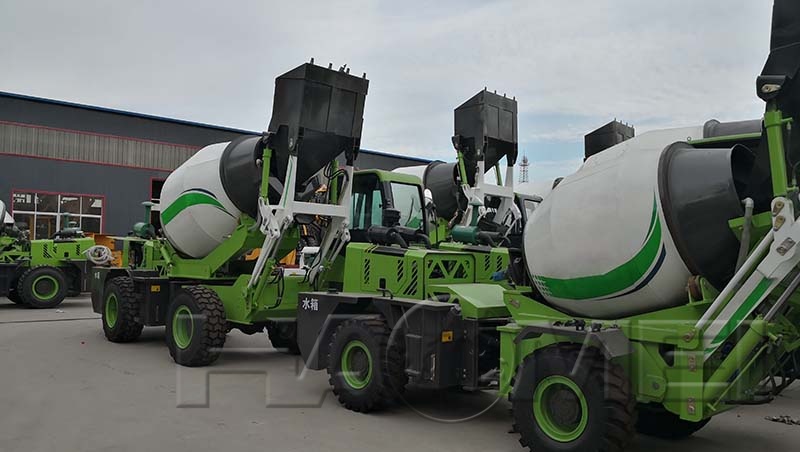
Digital maintenance records are increasingly useful for mobile mixers. Hour-meter data, fault codes, oil-analysis reports, and work orders can reveal repeat failures by machine, site, operator shift, or component batch. If a hose repeatedly fails at one location, correct the clamp position or protective sleeving rather than repeatedly replacing the hose.
When requesting a quotation, provide a clear technical package: machine serial number, photographs of identification plates, part number, quantity, operating environment, required delivery date, and whether the machine remains under warranty. Ask the supplier to state warranty terms, country of origin where relevant, included seals or hardware, and any installation or calibration requirements. This documentation reduces incorrect deliveries and supports disciplined lifecycle-cost control.
Original Source: https://www.self-loading-mixer.com/a/self-loading-mobile-concrete-mixer-spare-parts.html
Tags: self loading mobile concrete mixer spare parts | self loading mixer maintenance
Prev: Self Loading Mixer Rental VS Purchase: What is Best for Contractors
Next: Null
Send us a Message
Category
| HM1.2 Self Mixer |
| HM1.8 Self Mixer |
| HM2.0 Self Mixer |
| HM 2.6 Self Mixer |
| HM3.5 Self Mixer |
| HM4.0 Self Mixer |
| HM 5.5 Self Mixer |
| HM6.5 Self Mixer |
Relate Blogs
Relate Products
CONTACT US
| Haomei Self Loading Mixer Co.,Ltd |
| Tel/Whatsapp: +86-15978414719 |
| Email: feedom@haomei-machinery.com |
| Website: https://www.self-loading-mixer.com |
| Office Add: 1103, No.14 Outer Ring Road, CBD, Zhengzhou, China |


