

Mini Self Loading Concrete Mixer
 2026-10-26
A mini self loading concrete mixer combines aggregate loading, weighing, water dosing, drum mixing, and concrete transport in one compact machine. It is frequently considered for small construction sites, rural projects, foundations, drainage work, precast yards, and locations where ready-mix deliveries are impractical.
The questions below reflect the practical concerns currently discussed by contractors and equipment users who are comparing compact self-loading mixing machines.
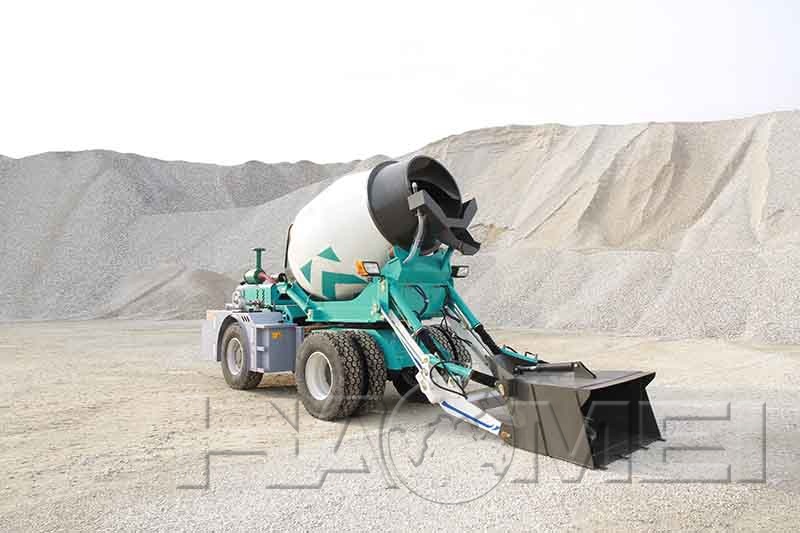
1. "What size mini self loading concrete mixer do I actually need?"
The right drum size depends less on the total concrete volume of the project and more on how much concrete must be placed during one working hour. A machine that is too small can create repeated loading cycles and labor delays. A machine that is too large may cost more to transport, operate, and maneuver on a restricted site.
For small slabs, fence foundations, repair work, and scattered pours, a nominal 1.2 m3 to 1.8 m3 class machine is often practical. For continuous foundation work, farm buildings, road shoulders, or several crews placing concrete at once, a 2.0 m3 to 3.5 m3 unit may provide a better production rhythm.
Remember that nominal drum volume is not always the same as usable concrete output. Aggregate moisture, mix design, loading method, and operator technique affect each batch. Ask for the rated concrete output per batch, not only the drum capacity.
| Typical Project Activity | Suitable Nominal Drum Range | Why It Fits |
|---|---|---|
| Footings, curbs, repair pours | 1.2 to 1.8 m3 | Compact footprint and lower fuel use |
| Small homes and agricultural structures | 1.8 to 2.6 m3 | Balances output with site mobility |
| Rural roads, larger foundations, multiple forms | 3.0 to 3.5 m3 | Supports steadier concrete supply |
A compact HM1.2 Self Mixer can be appropriate when access roads, turning space, or daily concrete demand are limited. For projects with regular batches and longer placing periods, moving up one size can reduce downtime more effectively than adding labor around a small machine.
2. "Can a self loading mixer make concrete that is consistent enough for structural work?"
Yes, but consistency comes from process control rather than from the mixer alone. A mini self loading concrete mixer can produce reliable batches when the operator uses measured materials, maintains the same aggregate grading, and controls water carefully.
The most common quality issue is adding water by visual judgment. Wet sand and damp gravel already carry water, so a mix that worked yesterday may become too wet after rain. Excess water can make concrete easier to discharge, but it can reduce strength and increase shrinkage cracking.
For structural applications, establish a repeatable batching routine:
- Use the machine's weighing system for aggregate and cement whenever available.
- Record the water amount used for each mix design.
- Adjust added water when aggregate moisture changes.
- Allow sufficient mixing time after all materials enter the drum.
- Check slump or workability at the discharge point, not only near the loading area.
A self-loading unit is especially useful where a stationary batching plant is unavailable, but it should still be operated with the same discipline used for conventional concrete production. If the project specification requires laboratory-tested concrete, arrange trial batches and verify the mix before full production begins.
3. "Will a mini self loading concrete mixer work on rough ground and narrow job sites?"
Most models are designed for uneven construction terrain, yet site conditions still determine whether the machine will work efficiently. Four-wheel drive, articulated steering, suitable tire pattern, and ground clearance can make a major difference on muddy, sloped, or unprepared surfaces.
Before bringing the mixer onto a site, check the travel route for width, overhead clearance, soft shoulders, buried utilities, and turning space at the pour location. A compact mixer may fit through a narrow entrance but still need room to articulate while carrying a loaded drum.
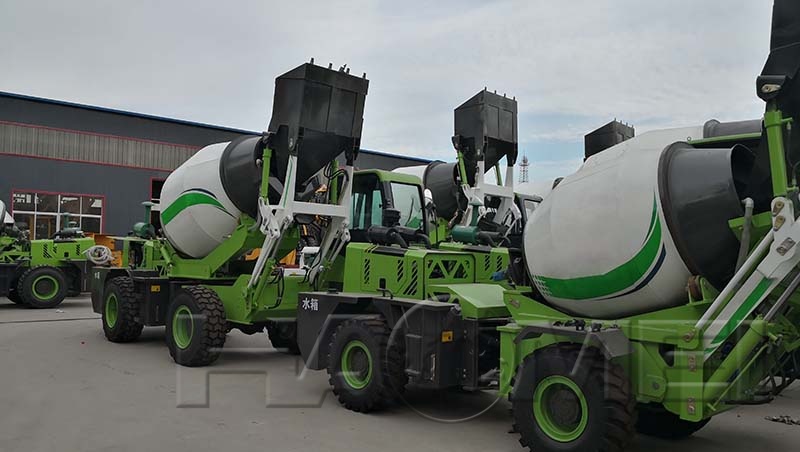
The drum should remain within the manufacturer's permitted travel position, particularly on slopes. Operators should avoid crossing steep side slopes with a full load because the concrete weight shifts the machine's center of gravity. On wet clay or loose fill, improve the route with compacted stone or steel road plates before running repeated cycles.
For medium-scale projects that need extra batch capacity without moving to a large transit mixer, an HM3.5 Self Mixer may suit open sites with stronger access roads and a larger working area.
4. "How much water and fuel does a mini self loading concrete mixer use each day?"
Water use depends on the concrete recipe, the number of batches, drum washing, and dust control around the loading point. Concrete itself commonly requires a controlled water-to-cement ratio, while wash water is a separate operational requirement. A site should have a dependable clean-water source or a planned water-delivery arrangement.
Fuel consumption varies with engine power, travel distance, terrain, hydraulic load, and how long the machine idles. Repeated travel over rough ground can use more fuel than the mixing cycle itself. Fuel planning should account for loading aggregate, carrying full batches, maneuvering, discharging, and returning to the stockpile.
| Operating Factor | Effect on Daily Consumption | Practical Action |
|---|---|---|
| Long haul distance inside the site | Higher fuel use | Position aggregate and pouring zones efficiently |
| Wet or steep terrain | Higher fuel use and slower cycles | Prepare a stable haul route |
| Poor water control | Variable concrete quality | Use a measured water system |
| Excessive drum washing | Higher water use | Clean promptly after each shift |
Do not estimate operating expense from engine size alone. Request fuel-use data under a typical loaded cycle and compare it with the expected number of batches per shift.
5. "Which parts need attention most often on a self loading mixer?"
Daily care has a direct effect on availability. Concrete residue is particularly damaging because hardened buildup adds weight, reduces drum capacity, and can interfere with discharge components. The drum, chute, hopper, and water lines should be cleaned before material begins to set.
Hydraulic hoses, fittings, cylinders, and pumps also deserve regular inspection. Look for abrasion, seepage, loose connections, unusual noise, or slow steering and loading movements. Small hydraulic faults can become costly if the machine continues operating under load.
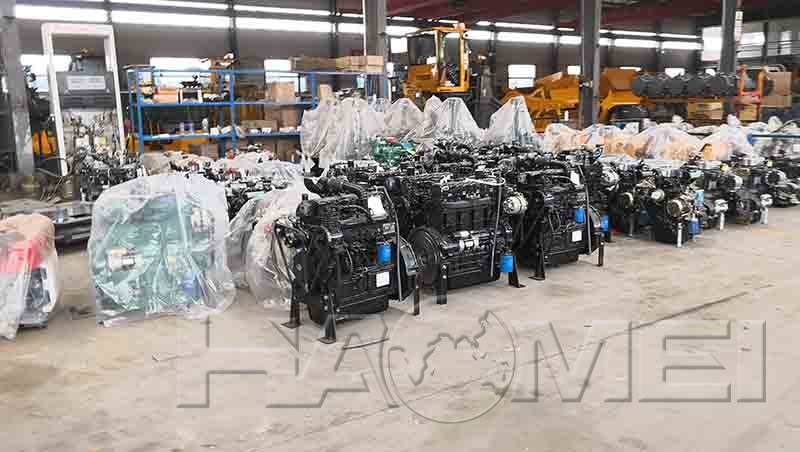
Use this routine at the start and end of each shift:
| Inspection Area | What to Check |
|---|---|
| Drum and discharge chute | Remove fresh concrete residue and inspect for wear |
| Engine fluids | Check engine oil, coolant, fuel, and hydraulic oil levels |
| Tires and wheels | Check pressure, cuts, wheel nuts, and embedded debris |
| Hydraulic system | Inspect hoses, fittings, cylinders, and steering response |
| Water system | Verify pump operation, tank level, and blocked nozzles |
| Weighing and controls | Confirm readings and control functions before batching |
Keep commonly replaced items, such as filters, hoses, seals, and electrical fuses, available according to the machine's service schedule. This is particularly useful on remote projects where a minor failed component can stop concrete work for an entire day.
Original Source: https://www.self-loading-mixer.com/a/mini-self-loading-concrete-mixer-2026-10-26.html
Tags: mini self loading concrete mixer | self loading concrete mixer | concrete mixer capacity | mobile concrete mixer
Prev: Self Loading Mobile Concrete Mixer Spare Parts
Next: Null
Send us a Message
Category
| HM1.2 Self Mixer |
| HM1.8 Self Mixer |
| HM2.0 Self Mixer |
| HM 2.6 Self Mixer |
| HM3.5 Self Mixer |
| HM4.0 Self Mixer |
| HM 5.5 Self Mixer |
| HM6.5 Self Mixer |
Relate Blogs
Relate Products
CONTACT US
| Haomei Self Loading Mixer Co.,Ltd |
| Tel/Whatsapp: +86-15978414719 |
| Email: feedom@haomei-machinery.com |
| Website: https://www.self-loading-mixer.com |
| Office Add: 1103, No.14 Outer Ring Road, CBD, Zhengzhou, China |


