

Self Loading Concrete Mixer For Sale In Zimbabwe
 2026-03-19
Self loading concrete mixers are becoming a preferred solution on Zimbabwe job sites where concrete supply can be unpredictable and projects are spread across towns, farms, and growth points. A single machine can load aggregates, measure water, mix, and discharge, reducing the need for a batching plant, separate loader, and repeated manual handling. For contractors building houses, small bridges, slabs, and road maintenance works, this equipment shortens cycle time while improving mix consistency.
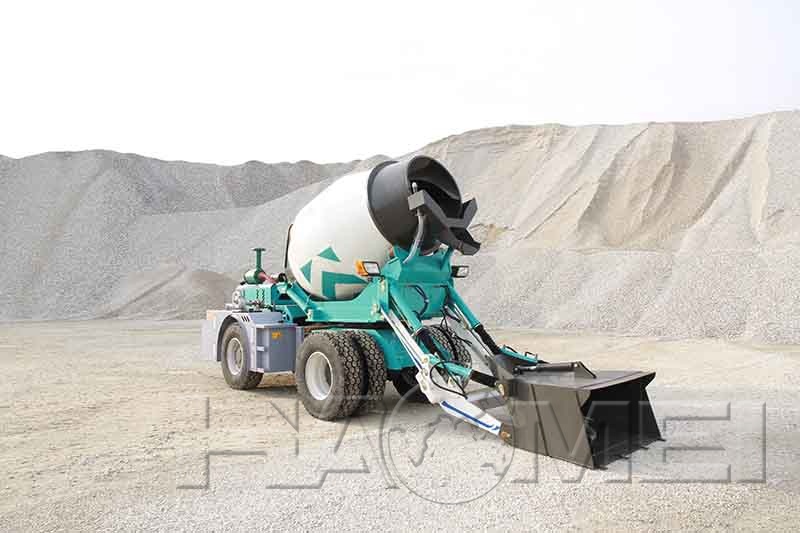
Cutting Edge Design Details That Matter on Real Job Sites
A self loading unit combines four functional systems in one chassis: loading, weighing and water dosing, mixing, and discharge. When evaluating a machine for Zimbabwe conditions, focus on the engineering details below rather than only drum volume.
1) Loader bucket and charging geometry
The bucket linkage, cutting edge angle, and charging height determine how smoothly aggregate enters the drum. A well designed bucket reduces spillage and improves cycle stability on uneven ground. Look for reinforced bucket ribs, wear strips, and a robust hinge pin arrangement because granite or hard river stone is abrasive.
2) Mixing drum structure and blade layout
A properly proportioned drum with wear resistant mixing blades improves homogeneity and reduces segregation, especially for low slump mixes used in slabs and precast blocks. Blade shape should push material forward and backward to avoid dead zones. Drum ring gear protection and sealing also matter in dusty environments.
3) Water system and metering
Consistent strength depends on repeatable water addition. Machines typically use a water tank with a pump and flow control. For reliable dosing, check for easy to read indicators, accessible strainers, and hose routing that is protected from rubbing. If the unit supports optional weighing systems, it can further stabilize quality when aggregate moisture varies.
4) Powertrain, transmission, and axle selection
Steep access roads, soft sand, and mud season require dependable traction. A strong drivetrain with suitable axle capacity reduces overheating and extends service life. Pay attention to cooling layout, radiator access for cleaning, and whether filters are easy to reach during daily checks.
5) Operator visibility and controls
Clear sightlines to the bucket, drum, and discharge point reduce rework and safety incidents. Modern cabs often integrate hydraulic joystick control and simple instrument panels. If your team rotates operators, a straightforward control logic reduces training time and lowers the risk of misuse.
If you are comparing configurations and capacities, the product category page for Self Loading Mixer can help you align drum size with typical pour volumes and cycle targets.
Selected Materials and What They Solve
Material selection is not marketing. It directly affects wear rate, downtime, and how well the machine holds calibration.
Wear facing on high abrasion zones
Bucket lips, bucket floor, mixing blades, and drum liners experience the highest wear. Wear resistant steels or replaceable wear parts reduce rebuild frequency. This is especially valuable when aggregate quality varies by region and includes sharp crushed stone.
High strength structural steel in chassis and boom
The frame carries dynamic loads during loading and travel. High strength materials, paired with good weld quality and stress relief design, reduce cracking around high stress points like boom pivots and chassis joints.
Hydraulic lines, seals, and filtration
Dust, heat, and water contamination can shorten hydraulic component life. Quality hoses with abrasion sleeves, proper routing clamps, and accessible filtration extend pump and valve reliability. Look for a filtration setup that supports routine service without dismantling guards.
Electrical harness protection
Construction vibration can loosen connectors and chafe cables. Harnesses protected by conduit and properly fixed to the chassis reduce intermittent faults that are time consuming to diagnose.
Practical Benefits You Can Measure
The value of this equipment is easiest to see when you map it to labor, logistics, and consistency.
Fewer machines on site: The same unit loads, mixes, and discharges. That can replace a small loader plus a drum mixer for many applications.
Reduced concrete transport risk: Mixing at the pour point avoids delays and slump loss from travel, which is common when sites are far from ready mix plants.
More consistent output per shift: A repeatable cycle supports planned pour rates for slabs, foundations, and small infrastructure repairs.
Better control of small batches: For patching and staged pours, producing only what is needed reduces waste.
The table below summarizes how design choices connect to outcomes.
| Feature or System | What to Check | Job Site Benefit |
|---|---|---|
| Bucket wear protection | Wear strips, reinforced cutting edge | Less downtime from abrasion repairs |
| Drum and blade design | Uniform blade spacing, protected ring gear | Better mix uniformity, fewer segregation issues |
| Water dosing system | Strainer access, stable pump, clear indicator | More consistent strength and workability |
| Cooling and filtration | Easy radiator cleaning, accessible filters | Lower overheating risk in hot, dusty conditions |
| Chassis and articulation | Strong pivots, protected grease points | Better durability on rough roads |
For contractors who regularly place moderate daily volumes, a mid size model such as the HM3.5 Self Mixer is often considered because it balances maneuverability, cycle time, and batch size for typical building works.
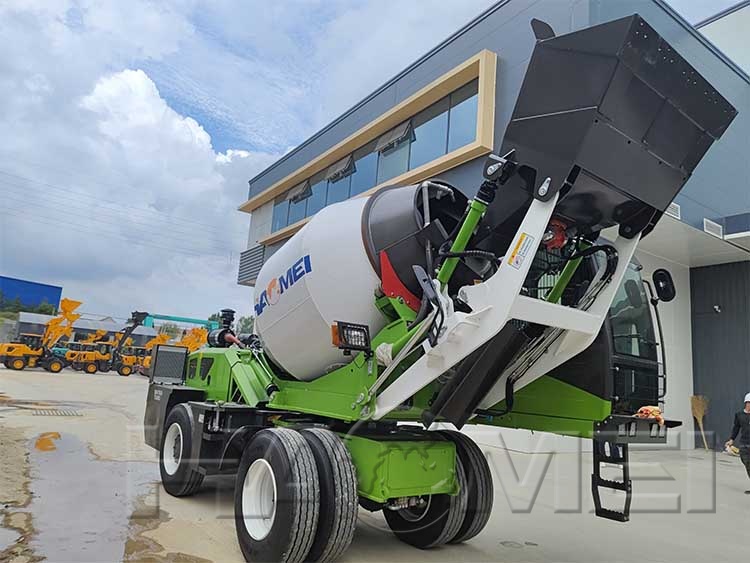
Troubleshooting: Common Issues and How to Solve Them
Below are field proven checks that maintenance teams can apply without guesswork. Always follow the manufacturer manual and lockout procedures before working on hydraulics or rotating parts.
Problem 1: Drum rotates slowly or mixing feels weak
Likely causes: Low hydraulic oil level, clogged hydraulic filter, worn pump, relief valve set too low, or oil overheating.
Steps:
Check hydraulic oil level and inspect for foaming.
Inspect and replace clogged filters per service interval.
Verify oil temperature and clean the radiator and cooler fins.
If pressure is low, test pump output and relief settings using proper gauges.
Problem 2: Bucket cannot lift full aggregate load
Likely causes: Air in hydraulic lines, cylinder seal leakage, low system pressure, sticky control valve.
Steps:
Inspect for external leaks at cylinders and hose fittings.
Bleed air if the system was recently opened.
Check pressure at the lift circuit and confirm correct engine speed.
If the boom drifts down, suspect internal cylinder seal bypass.
Problem 3: Concrete comes out inconsistent, too wet, or too dry
Likely causes: Incorrect water dosing, blocked strainer, leaking water valve, aggregate moisture changes.
Steps:
Clean the water strainer and confirm steady pump flow.
Verify that the water valve closes fully and does not seep.
Calibrate the water indicator or flow meter if equipped.
Adjust for wet sand or soaked aggregates, which reduce required added water.
Problem 4: Overheating during travel or continuous mixing
Likely causes: Dirty radiator, low coolant, fan belt issues, hydraulic cooler blockage.
Steps:
Clean radiator and cooler cores with low pressure air from the inside out.
Check coolant level and inspect for leaks at clamps and hoses.
Confirm fan operation and belt tension.
Avoid long idling with high hydraulic load in extreme heat.
Problem 5: Unusual noise from drum drive or ring gear area
Likely causes: Poor lubrication, misalignment, worn gear teeth, foreign material.
Steps:
Inspect gear guard condition and remove trapped debris.
Verify lubrication schedule and grease type.
Check mounting bolts and alignment marks.
If teeth show pitting or chipping, plan replacement before a sudden failure.
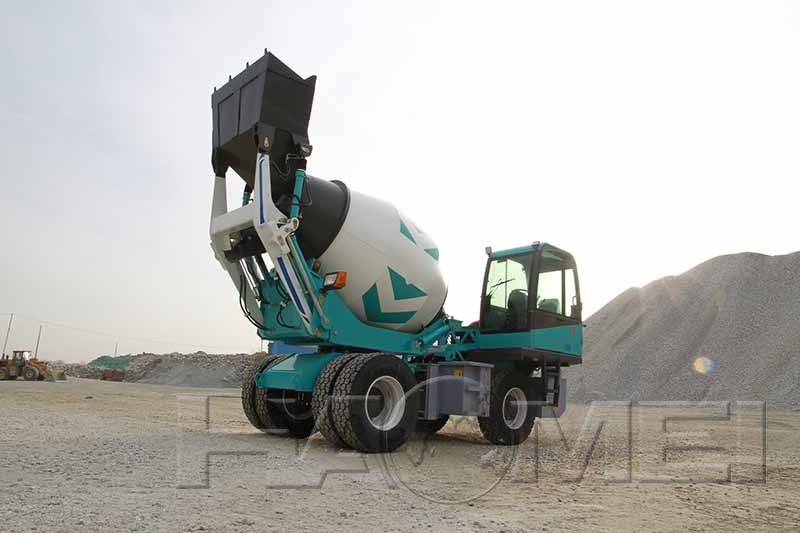
To keep availability high, implement a simple routine: clean cooling surfaces daily in dusty seasons, grease pivot points on schedule, drain water separators, and record any change in hydraulic response early. These small habits typically prevent the most expensive failures: overheated hydraulics, accelerated drum wear, and drive system damage.
Original Source: https://www.self-loading-mixer.com/a/self-loading-concrete-mixer-for-sale-in-zimbabwe.html
Tags: self loading concrete mixer | Zimbabwe concrete equipment
Prev: Self Loading Concrete Mixer For Sale In Ghana
Next: Self Loading Concrete Mixer Truck for Island Infrastructure
Send us a Message
Category
| HM1.2 Self Mixer |
| HM1.8 Self Mixer |
| HM2.0 Self Mixer |
| HM 2.6 Self Mixer |
| HM3.5 Self Mixer |
| HM4.0 Self Mixer |
| HM 5.5 Self Mixer |
| HM6.5 Self Mixer |
Relate Blogs
Relate Products
CONTACT US
| Haomei Self Loading Mixer Co.,Ltd |
| Tel/Whatsapp: +86-15978414719 |
| Email: feedom@haomei-machinery.com |
| Website: https://www.self-loading-mixer.com |
| Office Add: 1103, No.14 Outer Ring Road, CBD, Zhengzhou, China |


