

Self-Loading Concrete Mixer for Construction Projects
 2026-11-23
A self-loading concrete mixer combines aggregate loading, water dosing, mixing, transport, and discharge in one mobile machine. It is designed for projects where ready-mix delivery is difficult, batch volumes change during the day, or concrete must be placed across a large and uneven site. Instead of coordinating a loader, transit mixer, and separate batching equipment, operators can produce concrete near the point of use.
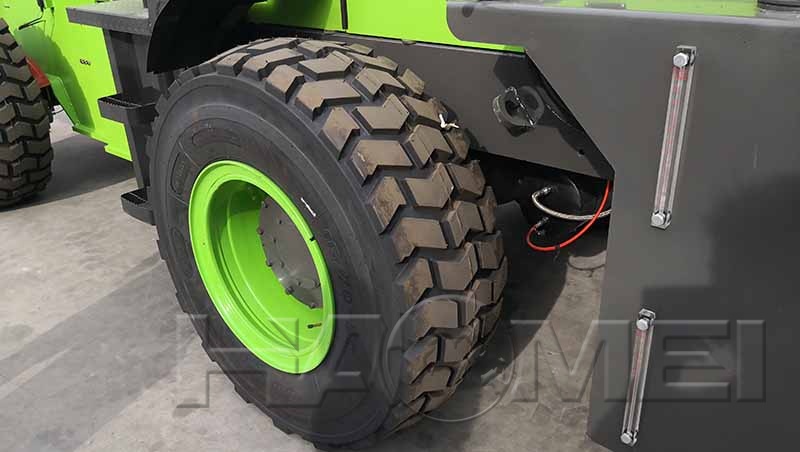
Design Details and Material Advantages
The main working structure includes a loading bucket, hydraulic loading arms, a rotating mixing drum, water tank, hydraulic drive system, diesel engine, and operator station. The loading bucket collects sand, gravel, and cement, then lifts and feeds materials into the drum. On many machines, the drum can rotate and discharge through a reversible hydraulic system, allowing concrete to be delivered to either side of the machine or directly toward the work area.
A well-designed drum uses thick structural steel with wear-resistant liners in areas exposed to aggregate abrasion. Internal mixing blades are shaped to lift, fold, and move the material through the drum as it rotates. This action helps distribute cement, water, sand, and stone more evenly than simple tumbling alone. Blade condition matters because worn blades reduce mixing efficiency and can leave dry pockets or uneven aggregate distribution.
The chassis typically uses high-strength steel sections to carry the loaded drum and withstand repeated travel over rough ground. A rigid or articulated frame may be used, depending on the machine configuration. Articulated steering can improve maneuverability on restricted sites, while four-wheel drive versions can provide stronger traction on muddy roads, slopes, and unprepared ground. Actual drivetrain features should always be confirmed against the manufacturer specification for the selected model.
Hydraulic cylinders, hoses, valves, and pumps are central to bucket lifting, drum rotation, steering, and discharge. Quality hydraulic components reduce leakage risk and provide smoother control. Cylinder rods commonly use corrosion-resistant surface treatment to limit wear from dust, moisture, and repeated movement. Protected hose routing is also important because exposed lines can be damaged by debris, sharp edges, or contact with material piles.
The water system is another important design area. A dedicated water tank, pump, and measuring arrangement allow the operator to add water in controlled quantities. Consistent water dosing supports repeatable slump and concrete strength. Operators should not estimate water by appearance alone, especially when aggregate moisture changes after rain or storage outdoors.
For compact work areas, an Self Loading Mixer can reduce equipment traffic while maintaining independent batch production. The correct drum capacity should be based on required daily output, travel distance, access width, lifting limits, and the available supply of cement and aggregate.
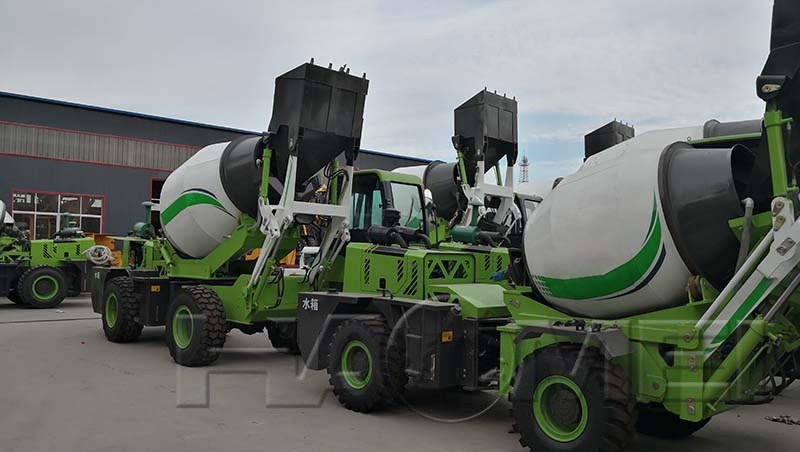
Jobsite Benefits and Practical Equipment Selection
This equipment can improve productivity by bringing several concrete-handling functions into one unit. It is especially useful for rural roads, farm facilities, foundations, drainage channels, precast yards, utility works, and small to medium building sites. A mobile mixer can travel between work fronts, avoiding delays caused by waiting for external concrete delivery.
| Working Advantage | Practical Effect on Site |
|---|---|
| On-board loading bucket | Reduces dependence on a separate wheel loader for small batches. |
| Integrated mixing drum | Produces concrete close to the placement area. |
| Water tank and dosing system | Helps control water addition between batches. |
| Mobile chassis | Supports work across dispersed or difficult-access locations. |
| Reversible drum discharge | Makes placement more flexible where maneuvering space is limited. |
Selection should focus on usable output rather than drum volume alone. Rated drum capacity, actual batch yield, aggregate size, material moisture, road gradient, and travel time all affect production. A larger unit is not automatically the most efficient choice if access roads are narrow or the placement area has limited turning space.
For contractors needing a mid-range machine for regular foundation, road, and building work, the HM3.5 Self Mixer category may suit operations that need a balance between batch capacity and site mobility. Before selecting any model, confirm engine power, drum capacity, discharge height, overall dimensions, axle configuration, fuel consumption data, and local service support.
Daily inspection protects uptime. Before starting work, check engine oil, coolant, hydraulic oil, tire condition, brake response, bucket pins, drum rotation, water tank level, and visible hose connections. Clean hardened concrete from the bucket, drum opening, chute, and discharge surfaces before it accumulates. Concrete buildup adds unnecessary weight, restricts material flow, and can eventually damage moving parts.
Common Problems and Corrective Actions
Most operating issues can be reduced through routine inspection, correct batching practice, and timely replacement of wear parts. If a fault involves hydraulic pressure, brake performance, electrical protection, or structural cracking, stop the machine and have a qualified service technician assess it. Never search for hydraulic leaks with bare hands because high-pressure fluid can penetrate skin.
| Problem | Likely Causes | Recommended Action |
|---|---|---|
| Drum rotates slowly or stops under load | Low hydraulic oil, blocked filter, pump wear, incorrect engine speed, overloaded batch | Check oil level and specified grade, inspect filters, verify engine speed, reduce batch size, and arrange hydraulic testing if performance does not recover. |
| Concrete is uneven or contains dry material | Incorrect water dosage, worn mixing blades, overloaded drum, short mixing time | Measure water accurately, inspect blades and liners, follow the stated batch limit, and maintain an appropriate mixing cycle. |
| Bucket lifts slowly or jerks | Low hydraulic oil, air in the system, worn cylinder seals, damaged hose | Inspect for leakage, check oil level, examine hose condition, and have seals or hydraulic components serviced where required. |
| Water system does not deliver correctly | Empty tank, blocked strainer, damaged pump, valve fault, frozen line in cold conditions | Refill the tank, clean filters, inspect pump and valves, drain the system when freezing conditions are expected. |
| Machine pulls to one side or steers poorly | Tire pressure mismatch, steering linkage wear, hydraulic steering issue, uneven load | Set tire pressures to specification, inspect steering components, distribute the load correctly, and obtain service for persistent steering faults. |
| Excessive vibration or unusual noise | Loose fasteners, worn drum support parts, damaged bearings, hardened concrete buildup | Stop operation, remove buildup safely, inspect mounts and bearings, and tighten or replace parts according to the maintenance manual. |
Scheduled maintenance should include lubrication of pins and joints, inspection of drum blades and liners, replacement of hydraulic filters at the specified interval, checking wheel fasteners, and cleaning the cooling system. Maintaining a record of service hours, repairs, and replaced parts helps operators identify recurring faults before they interrupt production.
Original Source: https://www.self-loading-mixer.com/a/self-loading-concrete-mixer-for-construction-projects.html
Tags: Self-Loading Concrete Mixer | Construction Concrete Mixer
Prev: 2.0 M³ Self-Loading Concrete Mixer Truck
Next: Null
Send us a Message
Category
| HM1.2 Self Mixer |
| HM1.8 Self Mixer |
| HM2.0 Self Mixer |
| HM 2.6 Self Mixer |
| HM3.5 Self Mixer |
| HM4.0 Self Mixer |
| HM 5.5 Self Mixer |
| HM6.5 Self Mixer |
Relate Blogs
| Self Loading Concrete Mixer Machine Price |
| Self Loading Concrete Mixer For Renting |
| 4WD Self-Loading Concrete Mixer Truck |
| 2.6m3 Self Loading Concrete Mixer |
| Self Propelled Concrete Mixer |
Relate Products
CONTACT US
| Haomei Self Loading Mixer Co.,Ltd |
| Tel/Whatsapp: +86-15978414719 |
| Email: feedom@haomei-machinery.com |
| Website: https://www.self-loading-mixer.com |
| Office Add: 1103, No.14 Outer Ring Road, CBD, Zhengzhou, China |


