

2.0 M³ Self-Loading Concrete Mixer Truck
 2026-11-18
A 2.0 m³ self-loading concrete mixer truck combines aggregate loading, weighing, water dosing, mixing, and short-distance concrete transport in one mobile machine. Recent questions across construction forums, Google searches, and equipment Q&A discussions often focus on whether this capacity can replace a small batching arrangement for scattered projects.
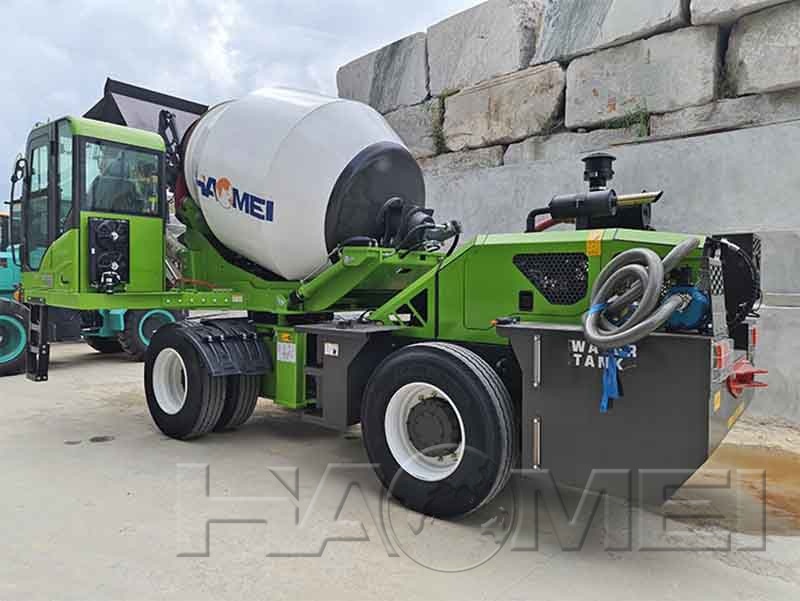
The right answer depends less on drum volume alone and more on daily concrete demand, road conditions, material organization, and operator discipline. The following are five frequently discussed questions from recent English-language equipment conversations, with practical answers for project planning.
1. How Much Concrete Can a 2.0 M³ Self-Loading Concrete Mixer Truck Produce Per Day?
The stated 2.0 m³ capacity usually refers to the drum's rated mixed-concrete output per batch, rather than the total amount of dry material that can be loaded. Actual output per cycle can vary with aggregate size, slump requirement, and whether the operator leaves capacity margin for thorough mixing.
A realistic production calculation should include the full cycle: loading aggregates and cement, adding water, mixing, discharging, repositioning, and refilling. On a well-organized site with stockpiles close to the work area, a cycle may take roughly 20 to 35 minutes. That can support approximately 20 to 40 m³ during a normal shift, but the number falls when the machine must travel over uneven ground or wait for materials.
| Operating Condition | Typical Batch Cycle | Practical Daily Output Range |
|---|---|---|
| Materials placed near the mixer | 20 to 25 minutes | 30 to 40 m³ |
| General building site operation | 25 to 35 minutes | 20 to 30 m³ |
| Long internal travel or difficult ground | 35 to 45 minutes | 15 to 25 m³ |
For foundations, rural housing, utility work, small precast operations, and repair projects, this output can be more flexible than ordering several partial ready-mix deliveries.
2. Can a 2.0 M³ Self-Loading Mixer Travel and Work on Narrow Construction Sites?
This is one of the most important questions because compact capacity does not automatically mean compact dimensions. A 2.0 m³ unit is generally more maneuverable than larger 3.5 m³ or 4.0 m³ models, yet site access must still account for machine width, turning radius, height clearance, and the room needed to discharge concrete.
Before selecting a machine, measure the narrowest gate, bridge, lane, and turning point. Also inspect the ground bearing condition. A self-loading mixer carries aggregate, water, cement, and fresh concrete, so its operating weight becomes much higher than its empty transport weight. Soft backfill, steep shoulders, and muddy access roads can limit safe movement.
For projects with tight working areas, a HM2.0 Self Mixer can be a suitable format when the site has a stable travel route and enough clearance for the loading bucket to operate. The bucket needs room to scoop materials without striking stockpile walls, trucks, or temporary structures.
3. Is the Fuel Consumption High for a 2.0 M³ Self-Loading Concrete Mixer Truck?
Fuel consumption is affected by more than engine size. Loading aggregate with the bucket, climbing slopes, traveling with a full drum, and running hydraulic systems all increase diesel use. Idling can also become a hidden cost when cement, sand, water, or site labor is not ready.
Rather than comparing fuel figures in isolation, calculate fuel per cubic meter of usable concrete. A machine that consumes slightly more fuel but eliminates repeated truck delivery charges, manual loading, and concrete wastage may still lower the total cost per pour.
Operators can reduce unnecessary consumption by following a consistent routine:
- Keep aggregate stockpiles close to the loading position.
- Avoid excessive bucket passes caused by poorly separated materials.
- Mix only as long as required for the specified concrete consistency.
- Plan travel routes to avoid repeated empty returns.
- Check tire pressure, hydraulic oil condition, and engine filters on schedule.
The most efficient workflow is one where the mixer is continuously producing or placing concrete rather than waiting with the engine running.
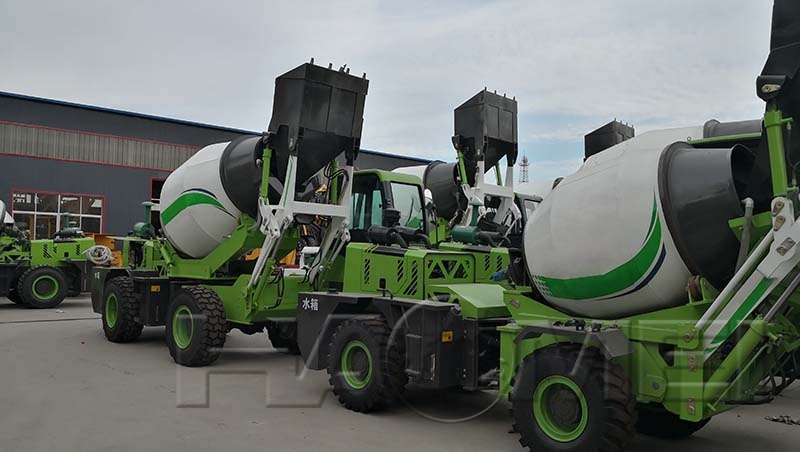
4. Does a Self-Loading Mixer Make Consistent Concrete Quality?
Yes, but consistency depends on process control. The machine can improve repeatability when it has a functioning weighing system, water meter, and trained operator. It is not enough to load materials by bucket volume alone, especially for structural concrete where water-cement ratio and aggregate proportion influence strength.
A practical site routine is to set a tested mix recipe, record material weights for each batch, and adjust water only after considering aggregate moisture. Wet sand can introduce significant hidden water. If an operator adds the usual water amount without accounting for moisture, the mix may become too fluid and lose strength potential.
For every new source of sand or gravel, run trial batches before major pours. Check slump, visual uniformity, and test cubes where the project specification requires them. A Self Loading Mixer is most effective when it is treated as a compact mobile batching system, not simply as a rotating drum with a bucket.
5. What Maintenance Should Be Expected Before Purchasing a 2.0 M³ Model?
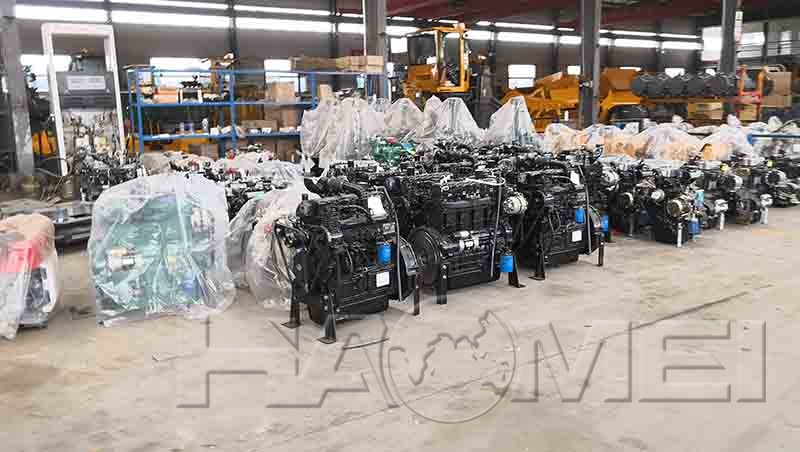
Maintenance is a major ownership consideration because self-loading mixers combine a diesel engine, hydraulic system, drum drive, bucket mechanism, water system, chassis, and electrical components. Daily checks are simple, but skipping them can create expensive downtime.
| Inspection Area | Daily Check | Planned Service Focus |
|---|---|---|
| Engine | Oil level, coolant, leaks | Filters, belts, engine oil changes |
| Hydraulics | Hose damage, oil level, unusual noise | Oil, filters, pump and cylinder inspection |
| Drum and bucket | Hardened concrete, cracks, wear | Blade condition and pivot lubrication |
| Tires and brakes | Pressure, visible cuts, braking response | Alignment, brake adjustment, tire replacement |
| Water system | Tank level, pump operation, hose leaks | Meter calibration and nozzle cleaning |
Clean hardened concrete from the drum, chute, and bucket after each shift. Dried buildup reduces effective capacity, adds dead weight, and can interfere with discharge. It is also sensible to confirm local availability of filters, hoses, wear blades, sensors, and hydraulic seals before placing an order.
A 2.0 m³ machine suits projects that need frequent, controlled batches without relying on external ready-mix scheduling. Its value is strongest when materials, operator training, maintenance support, and access conditions are planned together.
Original Source: https://www.self-loading-mixer.com/a/20-m3-self-loading-concrete-mixer-truck.html
Tags: 2.0 m³ self-loading concrete mixer truck | HM2.0 self mixer | self-loading mixer
Prev: 4WD Self-Loading Concrete Mixer Truck
Next: Null
Send us a Message
Category
| HM1.2 Self Mixer |
| HM1.8 Self Mixer |
| HM2.0 Self Mixer |
| HM 2.6 Self Mixer |
| HM3.5 Self Mixer |
| HM4.0 Self Mixer |
| HM 5.5 Self Mixer |
| HM6.5 Self Mixer |
Relate Blogs
| Buy Self Loading Concrete Mixer Truck |
| Self Loading Concrete Mixer Pricelist |
| Self Loading Concrete Mixer Machine Spare Parts |
| Self Loading Concrete Mixer |
| Self Loading Truck Mixer |
Relate Products
CONTACT US
| Haomei Self Loading Mixer Co.,Ltd |
| Tel/Whatsapp: +86-15978414719 |
| Email: feedom@haomei-machinery.com |
| Website: https://www.self-loading-mixer.com |
| Office Add: 1103, No.14 Outer Ring Road, CBD, Zhengzhou, China |


