

Self Loading Concrete Mixer Machine Spare Parts
 2026-09-20
A self-loading concrete mixer combines aggregate loading, batching, mixing, and transport in one mobile unit. Its productivity depends on properly matched replacement components and routine inspections. High-quality self loading concrete mixer machine spare parts help preserve mixing consistency, hydraulic response, travel safety, and service life in demanding jobsite conditions.
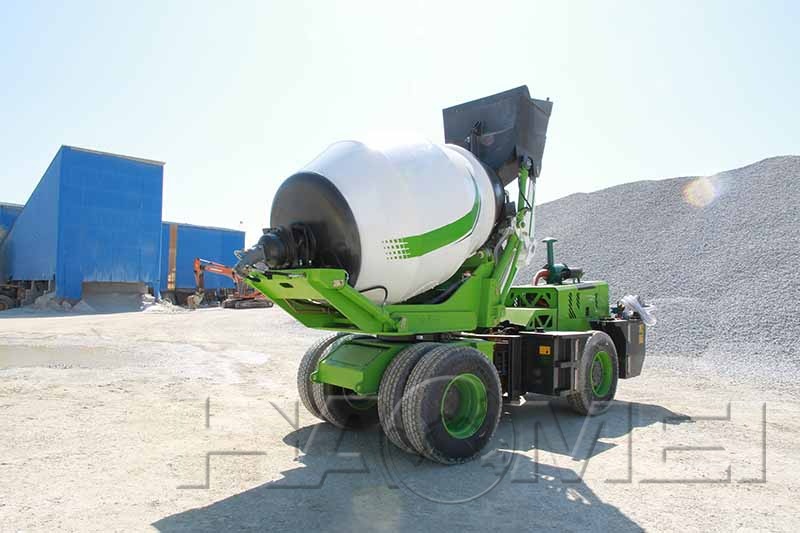
Design Details and Material Selection
The main working assemblies include the mixing drum, blades, loading bucket, hydraulic circuit, diesel engine, transmission, axles, tires, water system, electrical controls, and articulated or steering components. Each assembly operates under vibration, dust, moisture, shock loads, and abrasive aggregate contact. Replacement parts should match the equipment model, serial number, and original technical specification.
The drum and mixing blades are among the most heavily worn items. Blades are commonly produced from wear-resistant steel because sand, gravel, and cement continuously abrade the mixing surfaces. A correctly shaped blade supports material circulation inside the drum, reducing unmixed pockets and helping produce a more uniform concrete batch. When replacing blades, check bolt-hole alignment, blade orientation, and clearance from the drum wall. Incorrect installation can increase power demand and accelerate wear.
Hydraulic components require special attention. Pumps, motors, control valves, hoses, and cylinder seals work as a connected system. Hoses should have suitable pressure ratings, abrasion-resistant outer layers, and correctly crimped fittings. Seals must be compatible with hydraulic oil and the working temperature range. Using an unsuitable seal compound may cause swelling, leakage, or early hardening.
| Component | Recommended Material or Feature | Practical Benefit |
|---|---|---|
| Mixing blades | Wear-resistant steel | Resists aggregate abrasion and maintains mixing action |
| Drum rollers and bearings | Hardened steel with proper lubrication | Supports drum rotation and reduces friction |
| Hydraulic hoses | High-pressure reinforced rubber | Helps withstand pressure pulses and external abrasion |
| Bucket teeth | Alloy wear steel | Improves digging performance in compacted aggregate |
| Electrical connectors | Sealed, corrosion-resistant design | Reduces faults caused by moisture and dust |
| Water pump seals | Water-resistant elastomer | Supports stable water dosing and lowers leakage risk |
For machines used in coastal, wet, or chemically exposed locations, corrosion protection is equally important. Painted surfaces, plated fasteners, protected connectors, and regular cleaning help reduce rust formation. Genuine or specification-matched filters are also essential. An air filter that does not seal correctly can allow dust into the engine intake, increasing wear on cylinders, pistons, and turbocharger components where fitted.
For capacity-specific configurations, an HM3.5 Self Mixer should use replacement items specified for its drum volume, hydraulic layout, and engine installation. Parts that appear similar may have different dimensions, pressure ratings, or electrical connections.
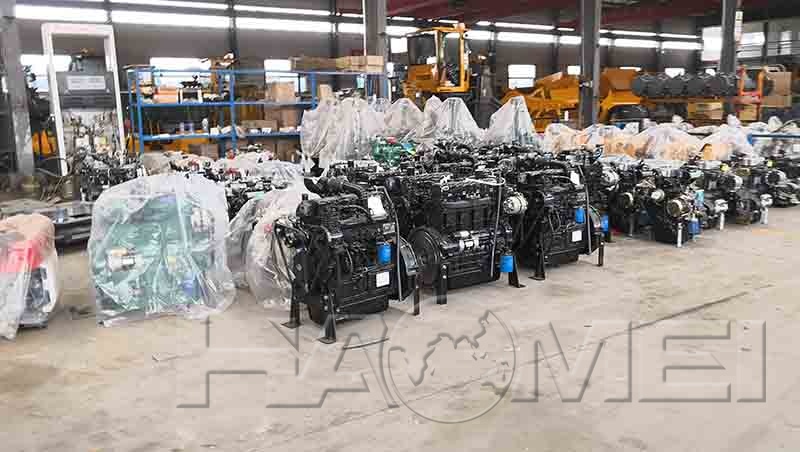
Operating Advantages of Well-Maintained Components
Correctly selected parts do more than repair a machine. They protect daily operating efficiency. A responsive hydraulic system allows smooth bucket lifting, drum rotation, steering, and discharge movements. A well-maintained water metering system supports more accurate batching. Sound tires, brakes, and axle components improve stability when travelling across uneven construction ground.
Wear items should be inspected according to operating hours and site conditions. Operations involving sharp aggregate, muddy access roads, high ambient temperatures, or frequent short mixing cycles may need more frequent inspections than the standard maintenance interval. The machine operator should record recurring symptoms, including abnormal noise, reduced drum speed, delayed steering response, oil temperature changes, and uneven tire wear.
Use the equipment manufacturer's service manual for approved fluid grades, tightening torques, filter intervals, and safety procedures. Where manufacturer information is unavailable or unclear, verify part compatibility with the machine serial number and technical data before installation. This avoids fitting errors that can create avoidable downtime.
| Operating Symptom | Likely Area to Inspect | Recommended Action |
|---|---|---|
| Drum rotates slowly | Hydraulic oil, pump, motor, relief valve | Check oil level, filter condition, pressure, and leaks |
| Concrete mixes unevenly | Blades, drum interior, rotation direction | Inspect blade wear, loose bolts, and hardened material buildup |
| Bucket movement is weak | Hydraulic cylinder, hose, control valve | Check for external leaks, damaged seals, and restricted oil flow |
| Engine overheats | Radiator, fan belt, coolant, air intake | Clean cooling pack, inspect coolant level, and check belt tension |
| Water dosing is unstable | Water pump, solenoid valve, flow path | Clean blockage, inspect wiring, and test pump operation |
| Machine pulls to one side | Tires, steering linkage, axle | Check tire pressure, linkage wear, and axle condition |
Practical Troubleshooting and Service Practices
Before diagnosing a fault, park the machine on firm level ground, engage the parking brake, lower the bucket, stop the engine, and isolate energy sources as specified by the manufacturer. Never inspect a pressurized hydraulic leak with bare hands. Hydraulic fluid can penetrate skin and requires immediate medical attention if injection injury is suspected.
A common complaint is reduced mixing drum speed. Begin with basic checks: confirm the hydraulic oil level, inspect the filter restriction indicator if fitted, and look for hose damage or visible oil leaks. If the oil is foamy, air may be entering through a suction connection or damaged hose. Persistent low speed may require pressure testing by a qualified technician because pump, motor, or relief-valve conditions cannot be confirmed by appearance alone.
If the drum discharges poorly, remove hardened concrete only using approved procedures and tools. Inspect the discharge chute hinge points, locking pins, and cylinder linkage. Excessive play can make chute positioning difficult and may create a safety risk. Regular washing after each shift reduces hardened buildup and protects the drum, chute, and blade surfaces.
Electrical problems often result from loose connectors, corroded terminals, weak battery connections, damaged fuses, or chafed wiring. Check battery voltage and cable tightness first. Then inspect connector seals and wiring near moving sections such as the loading arm, steering joint, and drum support area. Do not replace fuses with a higher rating, as this can damage circuits or increase fire risk.
A dependable parts plan should include routine consumables such as engine filters, hydraulic filters, seals, hose fittings, bucket teeth, blade bolts, electrical fuses, and lubricants. Keeping model-correct service stock on site can reduce downtime during active pours. For compact applications, the HM2.0 Self Mixer requires the same disciplined approach: match parts precisely, clean the machine daily, and address small leaks or unusual noise before they develop into larger repairs.
Original Source: https://www.self-loading-mixer.com/a/self-loading-concrete-mixer-machine-spare-parts.html
Tags: self loading concrete mixer machine spare parts | self loading mixer components
Prev: Self Concrete Mixer Machine Price
Next: Null
Send us a Message
Category
| HM1.2 Self Mixer |
| HM1.8 Self Mixer |
| HM2.0 Self Mixer |
| HM 2.6 Self Mixer |
| HM3.5 Self Mixer |
| HM4.0 Self Mixer |
| HM 5.5 Self Mixer |
| HM6.5 Self Mixer |
Relate Blogs
Relate Products
CONTACT US
| Haomei Self Loading Mixer Co.,Ltd |
| Tel/Whatsapp: +86-15978414719 |
| Email: feedom@haomei-machinery.com |
| Website: https://www.self-loading-mixer.com |
| Office Add: 1103, No.14 Outer Ring Road, CBD, Zhengzhou, China |


