

Self Concrete Mixer Machine Price
 2026-09-14
A self concrete mixer machine combines aggregate loading, water dosing, mixing, transport, and discharge in one mobile unit. That convenience can reduce dependence on separate loaders, transit mixers, and larger crews, but the purchase price is only one part of the investment.
The questions below reflect recent high-intent discussions appearing across construction forums, Google searches, and social Q&A communities. They focus on the practical concerns raised by contractors planning small to medium concrete production projects.
1. What is the average self concrete mixer machine price in 2026?
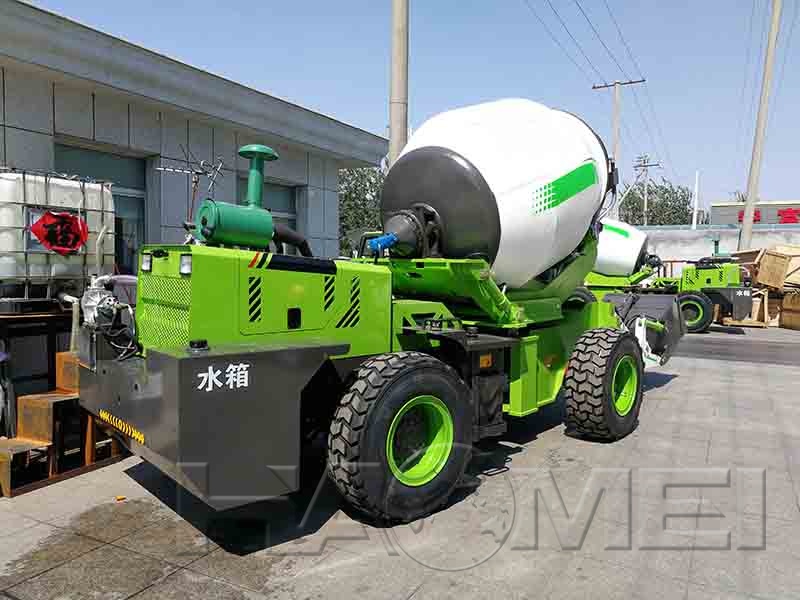
A new self loading concrete mixer can vary widely in price because drum capacity, engine power, axle configuration, hydraulic components, cab specification, and export destination all affect the quotation. Smaller machines around 1.2 to 2.0 cubic meters are generally selected for rural construction, drainage work, small foundations, and local road repairs. Larger 3.5 to 6.5 cubic meter units are more suitable for commercial building sites and contractors handling repeated concrete pours.
| Machine Capacity | Typical Project Fit | Price Factors That Matter Most |
|---|---|---|
| 1.2 to 1.8 m3 | Residential work, farm buildings, narrow access sites | Compact chassis, basic cab, engine brand |
| 2.0 to 2.6 m3 | Small contractors, utility trenches, local roads | Four-wheel drive, weighing system, hydraulic quality |
| 3.5 to 4.0 m3 | Building projects, precast yards, larger foundations | Drum output, enclosed cab, stronger axles |
| 5.5 to 6.5 m3 | Higher-volume concrete production | Engine rating, structural strength, advanced controls |
When comparing quotations, make sure the stated capacity means actual concrete output rather than only drum volume. A lower-priced machine may appear similar on paper but deliver less usable concrete per batch, which changes the real cost per cubic meter.
For compact work areas, an HM1.8 Self Mixer can be a practical starting point when output requirements are moderate and transport access is limited.
2. Why do two self loading mixers with similar capacity have very different prices?
Capacity is not the only measure of machine value. Two 3.5 cubic meter mixers may look alike, yet one can cost considerably more because it uses a higher-output engine, reinforced frame, premium hydraulic pumps, stronger tires, or a better operator cabin. These differences influence uptime and service expense after the machine arrives on site.
Ask suppliers to identify the brands and specifications of the engine, hydraulic pump, hydraulic motor, gearbox, and electrical system. General phrases such as "heavy-duty hydraulic system" are not enough for a serious comparison. Request a configuration sheet that shows what is included in the quoted machine.
Important price differences often come from these options:
Four-wheel drive and four-wheel steering for rough or muddy sites.
Electronic weighing and water-measuring systems for more consistent mix ratios.
Enclosed air-conditioned cabs for hot, dusty, or rainy operating conditions.
Longer discharge chutes for reaching footings or forms more easily.
Larger water tanks and higher-pressure washing systems.
Emissions-compliant engines required in specific regions.
A machine with a lower initial quote may be suitable for light-duty work. However, if daily concrete production is high, stronger hydraulic parts and reliable after-sales support can prevent expensive idle time.
3. Is a self concrete mixer machine cheaper than hiring ready-mix concrete?
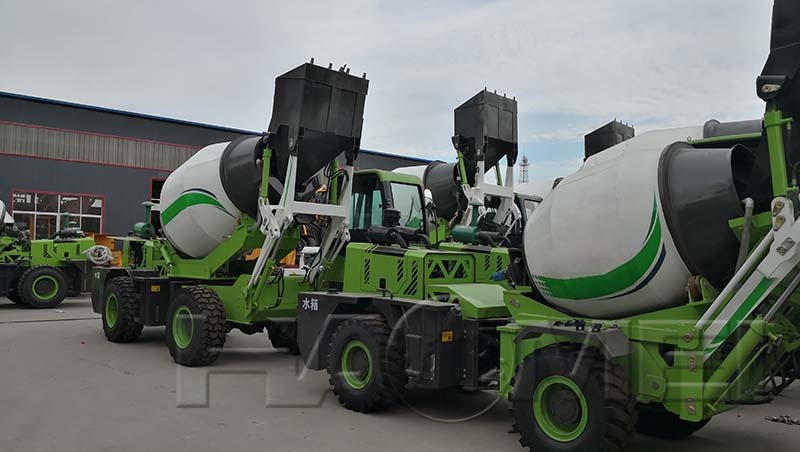
It can be, especially where ready-mix plants are far away, delivery schedules are unreliable, or a project needs many small pours. The comparison should not be based only on the ready-mix price per cubic meter. Include delivery charges, minimum-load fees, waiting charges, material waste, labor, fuel, and the cost of missed work when a truck arrives late.
A self loading mixer is often most economical when the contractor has steady demand and can source sand, stone, cement, and water locally. It also provides flexibility for projects where concrete is needed at different locations throughout the day.
| Cost Item | Ready-Mix Delivery | Self Loading Mixer Production |
|---|---|---|
| Concrete supply | Charged per delivered m3 | Materials purchased separately |
| Transport | Often included, but distance may increase cost | Machine moves with the project |
| Small batches | May involve minimum-order charges | Can produce batches as needed |
| Labor | Less on-site mixing labor | Requires trained operator and material handling |
| Schedule control | Dependent on plant dispatch | Controlled directly on site |
For a realistic calculation, estimate expected monthly output. Divide the machine's total monthly ownership and operating cost by planned cubic meters produced, then compare that figure with the delivered ready-mix rate in your area.
4. What extra costs should I add to the self concrete mixer machine price?
The factory quotation is not necessarily the landed cost. New equipment purchasers should prepare a full budget that includes freight, marine insurance, import duty, taxes, customs clearance, inland transport, commissioning, and operator training. Depending on the destination, these items can materially change the total amount paid before the machine starts work.
Operating costs also deserve attention. Fuel use depends on terrain, loading distance, aggregate moisture, batch size, and operator habits. Budget for routine filters, hydraulic oil, tires, wear plates, drum cleaning, grease, and replacement hoses. A supplier that can provide a recommended maintenance schedule makes it easier to forecast those expenses.
Before placing an order, ask whether the quote includes standard tools, spare filters, an operator manual, commissioning support, and a parts package. These details have greater value than a small discount if the machine will operate far from a service center.
5. How can I compare suppliers without choosing only the lowest price?
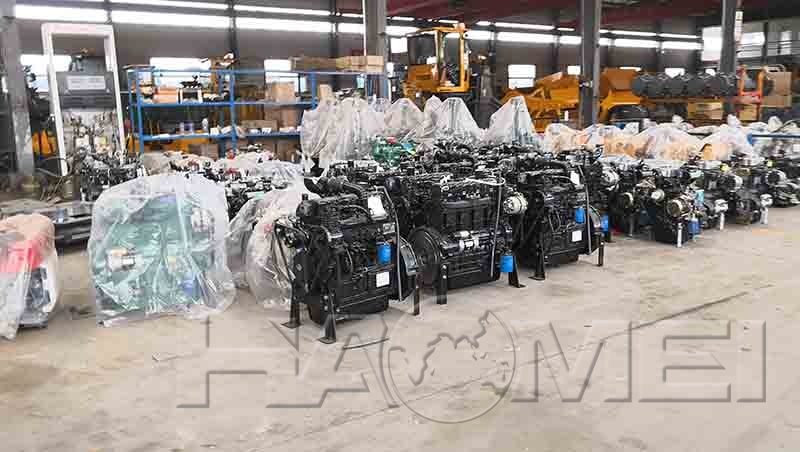
Start with the machine configuration, then evaluate the supplier's ability to support it. Request production photos or videos of the exact model, a detailed specification sheet, loading photographs before shipment, warranty terms, and a list of commonly stocked spare parts. Confirm whether technical support is available in your working time zone.
A versatile Self Loading Mixer should match the access width, daily output, aggregate type, and terrain of the actual project rather than simply offering the largest drum in the quotation.
Use this quotation request format when contacting suppliers:
Please quote a self loading concrete mixer for , with m3 capacity, , delivery to . Please show engine brand, hydraulic component brands, included accessories, warranty, spare parts, freight, and estimated delivery schedule.
This request makes supplier responses easier to compare because every quotation is based on the same working requirements.
Original Source: https://www.self-loading-mixer.com/a/self-concrete-mixer-machine-price.html
Tags: self concrete mixer machine price | self loading concrete mixer | concrete mixer cost | self mixer machine
Prev: Why Construction Rental Companies in Mexico Are Adding Self-Loading Mixers
Next: Null
Send us a Message
Category
| HM1.2 Self Mixer |
| HM1.8 Self Mixer |
| HM2.0 Self Mixer |
| HM 2.6 Self Mixer |
| HM3.5 Self Mixer |
| HM4.0 Self Mixer |
| HM 5.5 Self Mixer |
| HM6.5 Self Mixer |
Relate Blogs
| Self Loading Concrete Mixer For Sale |
| Self Loading Transit Concrete Mixer |
| Self Loading Transit Mixer Price |
| 3.5m3 Self Loading Concrete Mixer |
| Self Loading Concrete Mixer Truck for Sale |
Relate Products
CONTACT US
| Haomei Self Loading Mixer Co.,Ltd |
| Tel/Whatsapp: +86-15978414719 |
| Email: feedom@haomei-machinery.com |
| Website: https://www.self-loading-mixer.com |
| Office Add: 1103, No.14 Outer Ring Road, CBD, Zhengzhou, China |


