

Self Loading Concrete Mixer For Renting
 2026-09-28
A self loading concrete mixer for renting can replace separate loading, batching, mixing, and transport equipment on smaller or dispersed projects. It is most effective when ready-mix delivery is impractical, haul distances inside the site are short, and the crew needs frequent batches rather than one large concrete pour.
The rental decision should start with production planning, not drum size alone. A machine that is too small creates repeated loading cycles and labor delays. A unit that is too large can increase hire cost, fuel consumption, transport requirements, and operator risk on restricted sites.
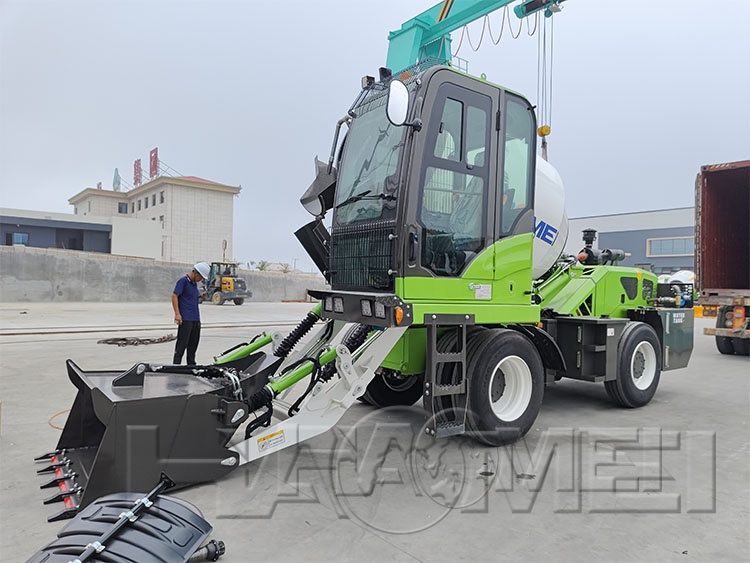
Match Mixer Capacity to the Pour Schedule
Self-loading machines normally use a hydraulically operated loading bucket to collect aggregate, cement, and water, then mix and discharge from the rotating drum. Their practical output depends on the manufacturer's rated concrete yield, batch cycle time, material stockpile layout, and travel distance. Do not assume that stated drum volume equals usable concrete output. Confirm the rated output and batch capacity on the rental machine's data plate or specification sheet.
Use the pour plan to calculate the minimum production rate:
Required hourly output = planned concrete volume / available placing hours
Then allow time for loading, mixing, internal travel, discharge, washing, and unavoidable site interruptions. If the planned pour needs 12 m3 over four placing hours, the theoretical requirement is 3 m3 per hour. The selected unit needs additional capacity margin because actual cycles are rarely continuous.
| Site condition | Suitable rental approach | Selection check |
|---|---|---|
| House foundations, footpaths, small slabs | Compact mixer with frequent short batches | Confirm access width, turning radius, and discharge height |
| Remote infrastructure repairs | Mid-size self-loading unit with onsite aggregate stock | Check fuel supply, water availability, and service response time |
| Large continuous slab pour | Compare against ready-mix trucks or a batching plant | Verify placement rate, backup equipment, and concrete quality control |
| Steep, soft, or congested ground | Four-wheel-drive model only where ground conditions support it | Review slope limits, tire condition, and exclusion zones |
For projects requiring repeatable mix quality, specify how materials will be measured. Cement bags can be counted, but aggregate moisture changes the effective water-to-cement ratio. Water meters, load cells, or calibrated material systems may be available depending on the model. Concrete proportions should follow the project mix design and applicable engineering requirements, rather than an operator estimate.
Where a 3.5 m3-class unit is appropriate, compare the equipment sheet, dimensions, and support arrangement for the HM3.5 Self Mixer before requesting a rental quote. Confirm whether the quoted capacity is concrete output per batch, nominal drum volume, or a different manufacturer measure.
Control Rental Cost, Downtime, and Contract Exposure
Rental cost is more than the daily or monthly rate. A reliable comparison includes mobilization, off-hire transport, fuel, operator provision, damage waivers, consumables, cleaning charges, and potential late-return fees. Rates vary materially by region, fleet age, rental duration, attachment scope, and local demand, so use written quotations rather than generic online price assumptions.
Ask each supplier to provide the same commercial breakdown.
| Quote item | What to request | Why it matters |
|---|---|---|
| Hire period | Daily, weekly, and four-week rate | Longer terms can change the effective daily cost |
| Delivery and collection | Separate transport price and access assumptions | Weight and dimensions may require suitable haulage and site unloading space |
| Included hours | Engine-hour allowance and overage rate | High-utilization work can exceed standard limits |
| Maintenance | Planned service responsibility and breakdown response time | Clarifies who supplies filters, fluids, and field technicians |
| Damage terms | Excess amount, inspection procedure, and exclusions | Tires, drum damage, hydraulic hoses, and misuse may be excluded |
| Operator | Competency requirements and labor rate, if supplied | Prevents an untrained person from being assigned to the machine |
Inspect the unit jointly before acceptance. Photograph all sides, tires, bucket cutting edge, drum, chute, cab, lights, guards, and hydraulic lines. Record hour-meter readings, fuel level, and existing leaks on the handover document. At off-hire, wash concrete residue from the drum, chute, bucket, and wheel areas before it hardens. Hardened concrete is a common source of disputed cleaning and repair charges.
Digital fleet tools are increasingly relevant in rental decisions. Telematics can record engine hours, location, fault codes, fuel use, and maintenance intervals. For a contractor managing multiple small sites, this data can identify excessive idling, missed service intervals, or machines that are underutilized. Request access to utilization reporting when it is offered, but confirm who owns the data and how long it remains available after off-hire.
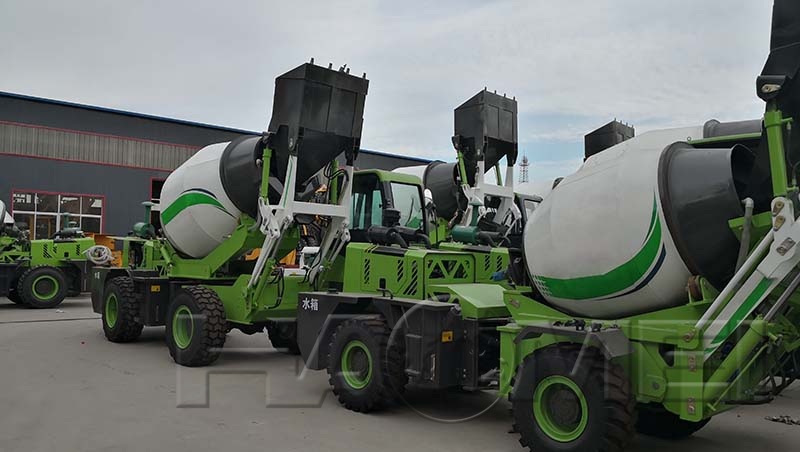
Operate Safely and Protect Concrete Quality
A self-loading mixer combines mobile plant, rotating machinery, hydraulic systems, and concrete materials. The rental supplier should provide the operator manual, daily inspection requirements, load limits, and emergency procedures in a language understood by the assigned operator.
For U.S. construction work, OSHA 29 CFR 1926.20(b)(4) requires employers to designate competent persons to make frequent and regular inspections. OSHA 29 CFR 1926.21(b)(2) requires instruction in recognizing and avoiding unsafe conditions. Local rules outside the U.S. may differ, so site management should apply the governing national and regional requirements.
Use this shift-start checklist:
Confirm operator authorization, site induction, and familiarity with the specific model.
Check brakes, steering, horn, lights, mirrors or cameras, tires, seat belt, guards, and emergency stop functions.
Inspect hydraulic hoses and fittings for leaks. Never search for hydraulic leaks with hands because pressurized fluid can penetrate skin.
Verify drum rotation, discharge controls, water system function, and bucket operation before loading material.
Establish separate stockpiles for sand, aggregate, cement, and water. Keep loaders, trucks, and pedestrians out of the mixer travel route.
Maintain an exclusion zone during loading, drum discharge, and reversing. Use a trained spotter where visibility is restricted.
Never exceed the manufacturer's stated slope, travel, or load limits. Travel with the bucket and drum position as specified in the operator manual.
Concrete quality also depends on disciplined records. Log batch time, cement quantity, aggregate quantity, water added, admixtures, ambient conditions, and discharge location. For structural concrete, project specifications may require sampling and testing under recognized standards such as ASTM C172 for sampling fresh concrete and ASTM C31 for making and curing test specimens. The project engineer or testing laboratory should determine the applicable testing frequency.
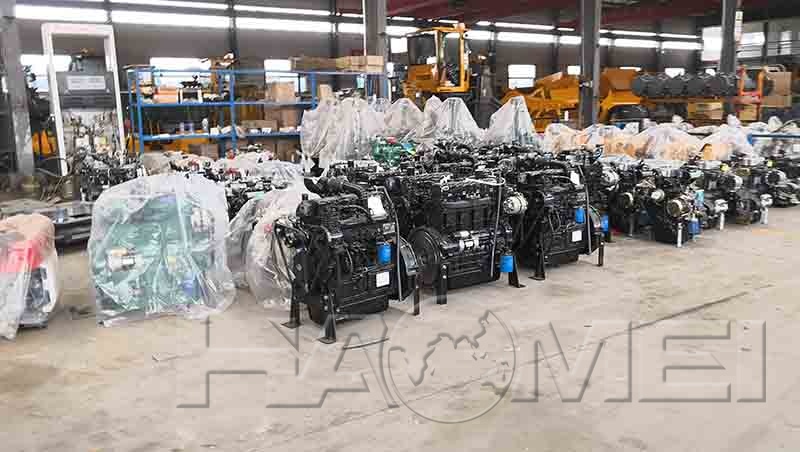
When parts support is decisive, ask the rental company about common wear items such as hydraulic hoses, bucket edges, chute components, seals, filters, and water-system fittings. A fleet with accessible Self Loading Mixer support and documented maintenance history is generally less risky than a lower-rate unit with uncertain service coverage.
Before signing the agreement, schedule a site walk with the supplier or equipment manager to verify transport access, stockpile placement, water source, refueling location, washout controls, overhead clearance, and emergency recovery arrangements.
Original Source: https://www.self-loading-mixer.com/a/self-loading-concrete-mixer-for-renting.html
Tags: Self Loading Concrete Mixer | Concrete Mixer Rental
Prev: Self Loading Concrete Mixer Machine Spare Parts
Next: Self-Loading Mixer vs. Ready-Mix Concrete Delivery: Which Saves More Money
Send us a Message
Category
| HM1.2 Self Mixer |
| HM1.8 Self Mixer |
| HM2.0 Self Mixer |
| HM 2.6 Self Mixer |
| HM3.5 Self Mixer |
| HM4.0 Self Mixer |
| HM 5.5 Self Mixer |
| HM6.5 Self Mixer |
Relate Blogs
| Self Loading Concrete Mixer Truck for Fast On Site Mixing |
| Self Loading Concrete Mixer Rent |
| Self Propelled Concrete Truck |
| Rough Terrain Concrete Mixer |
| Self Propelled Concrete Mixer |
Relate Products
CONTACT US
| Haomei Self Loading Mixer Co.,Ltd |
| Tel/Whatsapp: +86-15978414719 |
| Email: feedom@haomei-machinery.com |
| Website: https://www.self-loading-mixer.com |
| Office Add: 1103, No.14 Outer Ring Road, CBD, Zhengzhou, China |


