

Self Loading Concrete Mixer Machine
 2026-04-14
A self loading concrete mixer machine combines loading, weighing, mixing, transport, and discharge in one unit. For contractors working on roads, housing, irrigation, foundations, and remote projects, it can reduce dependence on a separate batching plant, wheel loader, transit mixer, and crew.
For equipment buyers, the real question is not whether this machine is useful. It is whether the model you choose will match your site output, road conditions, labor plan, and budget without creating hidden cost.
How to choose the right machine for your project
Start with daily concrete demand. Most models in the market are identified by drum output per batch, commonly around 1.2 m3, 1.8 m3, 2.0 m3, 2.6 m3, 3.5 m3, 4.0 m3, 5.5 m3, and 6.5 m3. Actual productivity depends on batch time, haul distance, waiting time, road condition, and operator skill.
A simple screening method is to estimate hourly demand first.
Checklist for sizing
- Required concrete per day, in m3
- Working hours per day
- Average round-trip haul time, in minutes
- Number of pours per day
- Maximum aggregate size required by the mix design
- Site gradient, turning radius, and access width
- Water supply availability on site
- Fuel supply and service support in your region
Use this rule of thumb:
Hourly demand = daily concrete volume / productive working hours
Then compare hourly demand with realistic field output, not brochure output.
| Typical drum class | Best fit application | Practical note |
|---|---|---|
| 1.2 to 1.8 m3 | Small housing, farm works, minor slabs | Better where access is tight |
| 2.0 to 2.6 m3 | Villas, low-rise buildings, rural roads | Often the best balance of price and output |
| 3.5 to 4.0 m3 | Medium commercial works, larger foundations | Needs stronger site roads and fuel planning |
| 5.5 to 6.5 m3 | High-volume jobs, longer internal haul | Only justified if utilization stays high |
If your work is mainly residential or municipal with moderate daily output, a Self Loading Mixer in the mid-size class often gives the best utilization. If access is narrow and daily volume is lower, the HM2.0 Self Mixer class is often easier to deploy and transport.
What specifications matter most before you invest
Many purchase mistakes come from focusing only on drum size. Output matters, but reliability and job fit matter more.
Check these specifications first
- Engine brand, rated power, and local emissions compliance
- 4x4 driveline and gradeability for rough terrain
- Drum capacity versus actual yield per batch
- Water tank capacity and water metering method
- Weighing system accuracy for cement, aggregate, and water
- Steering mode and turning radius
- Cab visibility, camera system, and ROPS or FOPS availability if specified
- Discharge height and chute range
- Spare parts lead time
- Warranty terms for drivetrain, hydraulics, and drum
Here is a practical comparison table for decision-making.
| Factor | Why it matters | What to verify |
|---|---|---|
| Batch yield | Determines real output | Ask for net discharged volume, not only drum volume |
| Weighing system | Affects concrete consistency | Request calibration method and tolerance |
| Engine power | Supports climbing and mixing under load | Match power to terrain and full-load travel |
| Water dosing | Controls slump and strength | Confirm meter type and tank refill time |
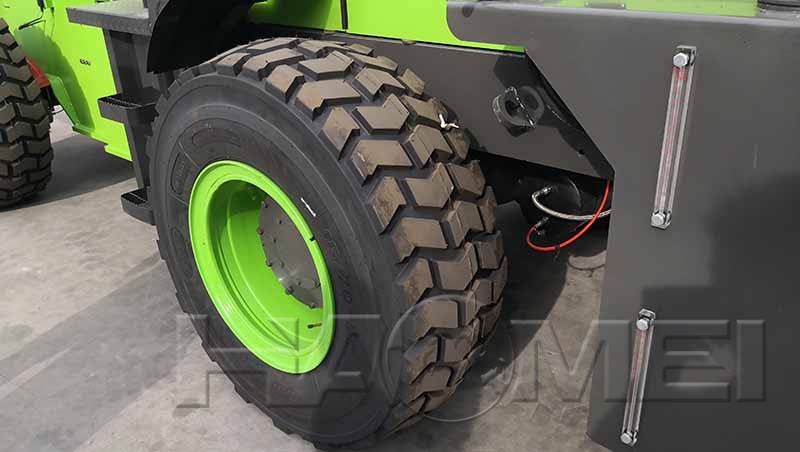
| Axles and tires | Affects durability on bad roads | Check load rating and tire availability |
| Service network | Reduces downtime | Verify local stock of filters, seals, hoses |
| Fuel consumption | Changes operating cost | Ask for field data by hour and by m3 |
Pricing varies significantly by capacity, axle configuration, engine, and destination market. In many export markets, self loading mixer units are commonly quoted from the low tens of thousands of US dollars for small models to materially higher levels for larger 4.0 m3 and above machines. Final landed cost should include shipping, duties, operator training, commissioning, spare parts kit, and tax. Because pricing changes by steel cost, engine supply, and freight, ask for a dated quotation with Incoterms and a list of included accessories.
Operation, compliance, and industry trends
Good operating practice has direct cost impact. Poor charging sequence, bad water control, or overloading can increase cement waste, reduce strength consistency, and shorten hydraulic life.
Daily operating steps
- Inspect tires, lights, brakes, drum, hydraulic hoses, and water system.
- Confirm fuel, engine oil, coolant, and hydraulic oil levels.
- Calibrate or verify weighing and water metering if required by your procedure.
- Load aggregate according to the approved mix design.
- Add cement and water in the specified order.
- Maintain proper drum speed during mixing and travel.
- Discharge within the allowable transport and setting time for the concrete mix.
- Wash drum, chute, and hopper before material hardens.
Safety and compliance points
- Operator training is essential because the machine combines loader, mixer, and truck functions.
- Follow local road transport rules for axle load, width, lighting, braking, and registration before traveling on public roads.
- For machine safety design, buyers commonly review alignment with recognized frameworks such as ISO 12100 for risk assessment and ISO 13849 for safety-related control systems where applicable.
- For concrete quality control, project requirements should align with the specified mix design and locally adopted concrete standards. In many markets, ASTM, EN, or national standards define testing and acceptance.
- Use lockout and isolation procedures before maintenance on hydraulic or rotating parts.
When comparing suppliers, ask for the operator manual, parts manual, wiring diagram, and commissioning checklist before shipment. Serious manufacturers will provide these documents clearly.
Questions to ask the supplier before order placement
- What is the net concrete output per batch and per hour under field conditions?
- Which engine and axle brands are fitted?
- Is the weighing system electronic, and how is it calibrated?
- What spare parts are included for the first 1,000 operating hours?
- What training is provided for operators and mechanics?
- Is there telematics or digital hour tracking for maintenance planning?
Digitalization is becoming more relevant in this segment. Newer machines may include camera systems, electronic weighing displays, fault diagnostics, GPS tracking, and maintenance alerts. These features help fleet managers track utilization and reduce unplanned downtime, especially on distributed projects.
Another important trend is tighter attention to emissions and total ownership cost. In regions with stricter engine rules, verified engine specification is no longer optional. Ask whether the engine meets the emissions level required in your market and whether aftertreatment service is locally available.
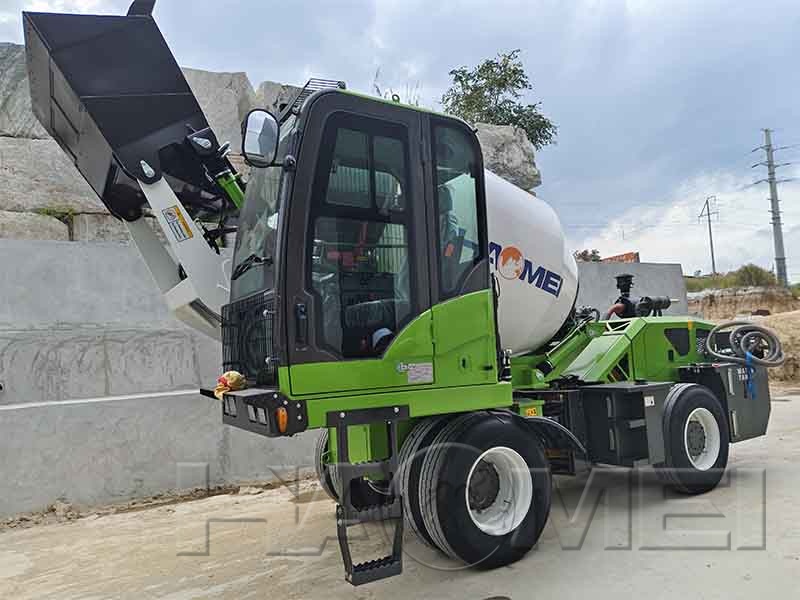
For equipment buyers, the strongest investment case appears where projects are remote, batch demand is moderate, labor is limited, and ready-mix access is unreliable. In that scenario, one properly sized unit can improve scheduling control and reduce dependency on multiple machines. The wrong size, however, leads quickly to underutilization or bottlenecks, so capacity matching, service support, and verified operating data should lead the decision.
Original Source: https://www.self-loading-mixer.com/a/self-loading-concrete-mixer-machine.html
Tags: self loading concrete mixer machine | Self Loading Mixer
Send us a Message
Category
| HM1.2 Self Mixer |
| HM1.8 Self Mixer |
| HM2.0 Self Mixer |
| HM 2.6 Self Mixer |
| HM3.5 Self Mixer |
| HM4.0 Self Mixer |
| HM 5.5 Self Mixer |
| HM6.5 Self Mixer |
Relate Blogs
Relate Products
CONTACT US
| Haomei Self Loading Mixer Co.,Ltd |
| Tel/Whatsapp: +86-15978414719 |
| Email: feedom@haomei-machinery.com |
| Website: https://www.self-loading-mixer.com |
| Office Add: 1103, No.14 Outer Ring Road, CBD, Zhengzhou, China |


